

The phrase "app over" has evolved from a simple description of application termination into a multifaceted concept encompassing various technological transitions. Whether referring to the conclusion of an application's runtime, the supersession of one software solution by another, or the end of a particular version's lifecycle, understanding app over scenarios has become increasingly crucial for professionals managing digital workflows. For electricians and compliance professionals using digital platforms to manage Certificates of Compliance, recognising when and why an app over event occurs can mean the difference between seamless operations and frustrating disruptions.
The Fundamental Meaning of App Over
The term "app over" combines two straightforward elements: app, short for application, and over, indicating completion or conclusion. In its most basic interpretation, app over describes the state when an application has finished executing, terminated its processes, or reached the end of its operational cycle.
Technical Context and Usage
From a technical perspective, app over events occur through multiple pathways. Users may deliberately close applications through standard interface controls, systems may automatically terminate apps due to resource constraints, or applications themselves may shut down following error states or completion of programmed tasks.
Common triggers for app over scenarios include:
- Manual closure by users through interface buttons or gestures
- System-initiated termination due to memory management
- Scheduled shutdowns following automated task completion
- Crash events resulting from code errors or conflicts
- Version deprecation forcing migration to newer releases
Modern operating systems handle app over events with sophisticated protocols designed to preserve data integrity and user experience. When an application approaches its app over state, background processes typically engage to save work, close network connections gracefully, and release system resources properly.

Mobile vs Desktop App Over Behaviour
The app over experience differs significantly between mobile and desktop environments. Mobile operating systems aggressively manage applications in the background, often placing them in suspended states that mimic app over conditions whilst technically maintaining minimal system presence. True app over events on mobile devices frequently occur without user awareness as systems optimise performance.
Desktop applications traditionally exhibit more transparent app over behaviours, providing users with explicit save prompts and shutdown confirmations. This distinction matters considerably for professionals working with compliance documentation, where unexpected app over events could potentially compromise critical data capture.
| Platform Type | App Over Visibility | User Control | Data Risk |
|---|---|---|---|
| Mobile iOS | Low - background management | Moderate - limited settings | Low - automatic saves |
| Mobile Android | Moderate - notifications | High - detailed controls | Moderate - depends on app |
| Desktop Windows | High - explicit prompts | Very High - full control | Low - save warnings |
| Desktop macOS | High - system dialogs | Very High - granular options | Low - automatic recovery |
App Over in Cloud-Based Applications
Cloud-based applications introduce a nuanced understanding of what constitutes app over. Unlike traditional software where application closure definitively ends all processes, cloud platforms often maintain persistent sessions even when local interfaces terminate. This creates scenarios where the front-end application experiences an app over event whilst backend services continue operating.
For electricians managing digital Certificates of Compliance through platforms like Energy Warehouse, this distinction proves particularly valuable. When the mobile app over event occurs-perhaps due to switching to a camera application for site photography-work remains safely stored in cloud infrastructure rather than risking loss through traditional app over termination.
Session Management and App Over
Modern cloud applications employ sophisticated session management to handle app over scenarios gracefully. Rather than treating application closure as complete termination, these systems maintain logical sessions that survive individual app over events.
Key session persistence features include:
- Automatic draft saving before app over triggers
- Background synchronisation during dormant periods
- Session restoration upon application relaunch
- Conflict resolution when multiple devices access concurrent sessions
- Timeout protocols for security compliance
The Energy Warehouse platform exemplifies this approach, enabling electricians to create, manage and share digital Certificates of Compliance efficiently even when app over events interrupt their workflow. Built-in compliance checks and offline capability ensure that work continues seamlessly regardless of application state transitions.

Managing Intentional App Over Transitions
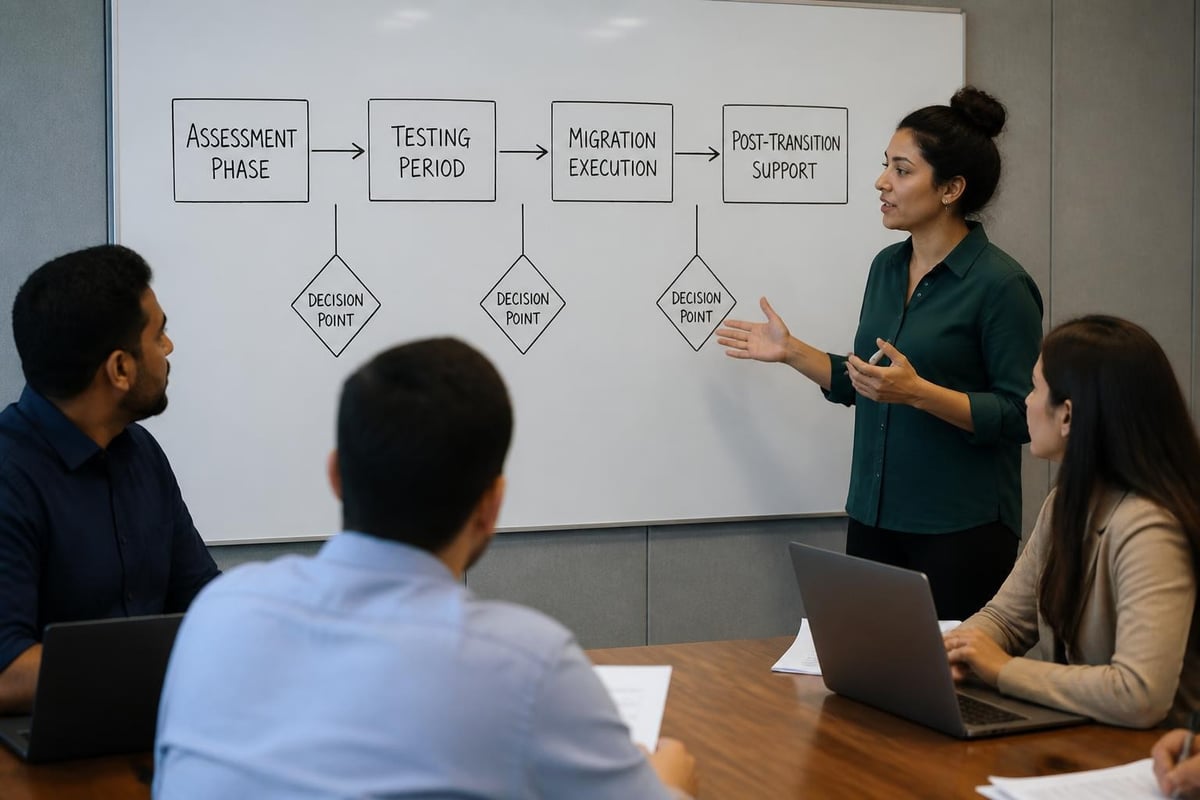
Beyond accidental or system-initiated closures, intentional app over transitions represent planned migrations between different software solutions or versions. Organisations frequently face decisions about when to declare one application "over" in favour of adopting alternatives that better serve evolving requirements.
Version Deprecation and App Over
Software publishers regularly announce app over timelines for older versions, forcing users toward updated releases. These planned obsolescence events require careful management to prevent workflow disruptions. According to Vocabulary.com's definition, "over" signifies completion or ending-precisely what occurs when legacy versions reach their app over dates.
Successful version transition strategies involve:
- Evaluating new features against current workflows
- Testing replacement applications before app over deadlines
- Training team members on updated interfaces
- Migrating data systematically to prevent loss
- Maintaining fallback access during transition periods
Professional compliance workflows particularly demand meticulous app over planning. When Certificate of Compliance platforms announce version changes, electricians must ensure continuous access to historical records whilst adopting new functionality. Platforms offering backwards compatibility significantly ease these app over transitions.
Competitive App Over: Switching Solutions
Market competition drives another category of app over events: deliberate switches from one application to entirely different alternatives. This represents the most significant form of app over, where organisations conclude that their current solution has reached the end of its useful lifecycle for their specific needs.
Evaluation criteria for competitive app over decisions typically encompass functionality gaps, cost inefficiencies, integration limitations, and vendor reliability concerns. For compliance professionals, the ability to export existing records becomes paramount when contemplating an app over transition to alternative platforms.
| Evaluation Factor | Weight | Questions to Consider |
|---|---|---|
| Feature Completeness | High | Does the new solution address current gaps? |
| Data Portability | Critical | Can historical records transfer completely? |
| Learning Curve | Moderate | How quickly can teams achieve productivity? |
| Integration Capability | High | Does it connect with existing tools? |
| Compliance Alignment | Critical | Does it meet regulatory requirements like SANS 10142-1? |
Technical Implementation of App Over Handling
Developers designing applications must architect robust app over handling to ensure data integrity and user satisfaction. Poor app over implementation frequently manifests as data loss, corrupted files, or frustrated users discovering unsaved work has vanished.
Graceful Shutdown Protocols
Professional applications implement graceful shutdown sequences when app over events trigger. These protocols systematically close resources, commit pending transactions, notify connected services, and preserve application state for potential restoration.
Modern development frameworks provide standardised lifecycle hooks that trigger during app over sequences. iOS applications respond to applicationWillTerminate callbacks, whilst Android applications handle onDestroy events. Web applications monitor beforeunload events to intercept app over attempts and prompt users about unsaved changes.
Essential app over handling components include:
- State serialisation: Capturing current application state for future restoration
- Transaction completion: Ensuring database operations finish or rollback cleanly
- Resource cleanup: Releasing file handles, network connections, and memory allocations
- User notification: Alerting users to incomplete operations requiring attention
- Crash reporting: Logging unexpected app over events for debugging purposes
Compliance platforms handling legal documents like Certificates of Compliance require especially rigorous app over protocols. A premature app over event during certificate generation could invalidate hours of detailed inspection work, making robust autosave functionality non-negotiable.
App Over in Augmented Reality Applications
Emerging technologies introduce novel interpretations of app over concepts. Augmented reality platforms like OVER - Over the Reality blur boundaries between application states and physical environments, creating scenarios where app over events affect persistent digital content anchored to real-world locations.
Persistent AR Content After App Over
Unlike traditional applications where app over conclusively ends all application effects, AR platforms often leave digital artefacts that persist beyond individual session terminations. When users experience app over events in these environments, their created content may remain accessible to others even though their personal application instance has closed.
This paradigm shift challenges conventional understanding of what app over signifies. The application process ends for individual users, yet the application's broader ecosystem continues functioning. Similar concepts apply to collaborative platforms where team members access shared workspaces-one person's app over event doesn't terminate the collective work environment.
Preventing Unintended App Over Events
Users and administrators can implement various strategies to minimise disruptive app over occurrences. Whilst some application closures prove inevitable, many premature app over events result from preventable circumstances.
System Resource Management
Insufficient system resources frequently trigger involuntary app over events as operating systems terminate applications to free memory. Monitoring resource usage and closing unnecessary background applications reduces these unexpected terminations.
Preventative measures include:
- Regular system maintenance clearing cached data
- Memory monitoring to identify resource-intensive processes
- Scheduled restarts preventing gradual resource depletion
- Background app limits on mobile devices
- Priority settings ensuring critical applications receive adequate resources
For compliance professionals working on site with mobile devices, understanding these resource constraints proves essential. Complex certificate generation involving photograph integration and PDF compilation demands sufficient memory-knowing when to trigger intentional app over events for background applications prevents system-initiated closures of critical work.
Backup and Recovery Strategies
Even with preventative measures, unexpected app over events occasionally occur. Comprehensive backup strategies ensure these incidents cause minimal disruption rather than catastrophic data loss.
Cloud-based platforms naturally provide continuous backup through server-side storage. Each change synchronises immediately, meaning app over events affect only unsynchronised modifications. Local applications require more deliberate backup approaches, from scheduled automatic saves to manual backup protocols before risky operations.
The Privacy and Data Protection policies governing professional compliance platforms detail exactly how and where data persists beyond individual app over events, providing assurance that critical information remains secure regardless of application state.
Future Trends in App Over Architecture
Application architecture continues evolving toward models where traditional app over concepts become increasingly abstract. Progressive web applications, containerised software, and stateless architectures all challenge conventional boundaries between running and terminated states.
Stateless Application Design
Modern architectural patterns embrace stateless designs where individual application instances maintain no persistent state. In these environments, app over events become trivial-each new application launch represents a fresh instance pulling current state from external services. The application itself becomes ephemeral whilst data persists independently.
This approach offers significant advantages for reliability and scalability. Application crashes become simple app over events requiring only instance restart rather than complex recovery procedures. Users can switch devices mid-task without traditional app over consequences since state exists independently of any particular application instance.
Benefits of stateless app over handling:
- Instant recovery from unexpected terminations
- Seamless device switching during workflows
- Simplified application updates without state migration concerns
- Enhanced security through minimised local data retention
- Improved scalability through disposable application instances
Compliance workflows particularly benefit from stateless architectures. Electricians can begin certificate creation on a mobile device at the inspection site, experience an app over event due to battery depletion, then continue immediately from a desktop computer without synchronisation delays or recovery procedures.

Containerisation and App Over
Container technologies like Docker introduce another dimension to app over concepts. Containerised applications exist as isolated packages that can start, stop, and restart with remarkable speed and consistency. App over events in containerised environments become routine operational procedures rather than exceptional circumstances requiring careful handling.
This containerisation trend extends beyond server infrastructure into desktop applications. Platforms increasingly distribute software as containers, enabling clean app over events that leave no system residue and guarantee identical behaviour across launches. When the app over command executes, containers terminate completely and predictably.
Optimising Workflows Around App Over Events
Professional workflows must accommodate app over realities rather than pretending applications will maintain perpetual uptime. Strategic workflow design anticipates interruptions and minimises their impact through deliberate planning.
Task Segmentation Strategies
Breaking complex tasks into discrete segments that complete before natural app over opportunities reduces work-at-risk. Rather than attempting three-hour continuous sessions, professionals can structure workflows into 20-minute segments with logical save points.
For Certificate of Compliance generation, this might involve:
- Complete initial property and client information capture
- Save and optionally trigger app over
- Conduct and photograph installation inspections
- Save and optionally trigger app over
- Record test measurements and results
- Save and optionally trigger app over
- Review, sign, and distribute completed certificate
This segmented approach ensures that unexpected app over events occurring at any point lose minimal work. Each segment concludes with saved state, transforming app over from a threat into a non-event.
Checkpoint and Resume Functionality
Applications supporting robust checkpoint features enable users to deliberately create save points before risky operations. These checkpoints capture complete application state, allowing perfect restoration following any subsequent app over event-whether planned or unexpected.
Professional platforms implementing checkpoint functionality empower users to work confidently knowing they can always return to known-good states. Before attempting complex operations, creating a checkpoint provides insurance against both application errors and user mistakes, with app over and restart serving as a simple recovery mechanism.
Educational and Support Considerations
Organisations deploying applications must educate users about app over behaviours specific to their platforms. Misunderstanding when and how app over events affect work leads to frustration and potential data loss.
User Training on App Over Scenarios
Comprehensive user training addresses multiple app over scenarios users will encounter. Training should cover intentional closure procedures, what happens during unexpected terminations, how to verify work saved properly before app over events, and recovery procedures if problems occur.
Training programme elements include:
- Demonstration of proper application closure procedures
- Explanation of automatic save functionality and limitations
- Practice exercises simulating unexpected app over events
- Recovery drills using backup and restore features
- Troubleshooting guidance for common app over problems
Electricians adopting digital compliance platforms benefit significantly from understanding app over behaviours in offline scenarios. Knowing that work saves locally during connectivity loss and synchronises automatically following app over and reconnection provides confidence for field deployments.
Technical Support for App Over Issues
Support teams require systematic approaches to diagnosing and resolving app over problems. Whether addressing unexpected terminations, data recovery following improper app over events, or migration assistance during planned transitions, structured support processes ensure consistent resolution quality.
Effective support documentation includes detailed app over troubleshooting guides, data recovery procedures for various failure scenarios, and clear explanations of when to expect app over events during normal operations. The password recovery processes exemplify the type of clear, accessible support resources users need when dealing with application access issues.
Understanding app over concepts-from simple application closure through complex state management and version transitions-enables professionals to work more effectively with digital tools. Strategic workflow design that accommodates app over realities, combined with platforms implementing robust state preservation, ensures productivity continues regardless of interruptions. For electricians managing compliance documentation, Energy Warehouse provides cloud-based infrastructure that handles app over events gracefully through automatic synchronisation, offline capability, and persistent session management, ensuring your critical Certificate of Compliance work remains protected across all application states.