Modern businesses require digital tools that adapt to their unique workflows rather than forcing teams to conform to rigid, one-size-fits-all solutions. The ability to customise app features, interfaces, and functionalities has become a critical factor in selecting software platforms. For electrical contractors managing compliance documentation, the right customisation capabilities can transform how efficiently they complete certificates, manage client data, and maintain regulatory standards. Understanding how to customise app solutions effectively ensures your digital tools enhance productivity rather than create additional complexity.
Understanding the Fundamentals of App Customisation
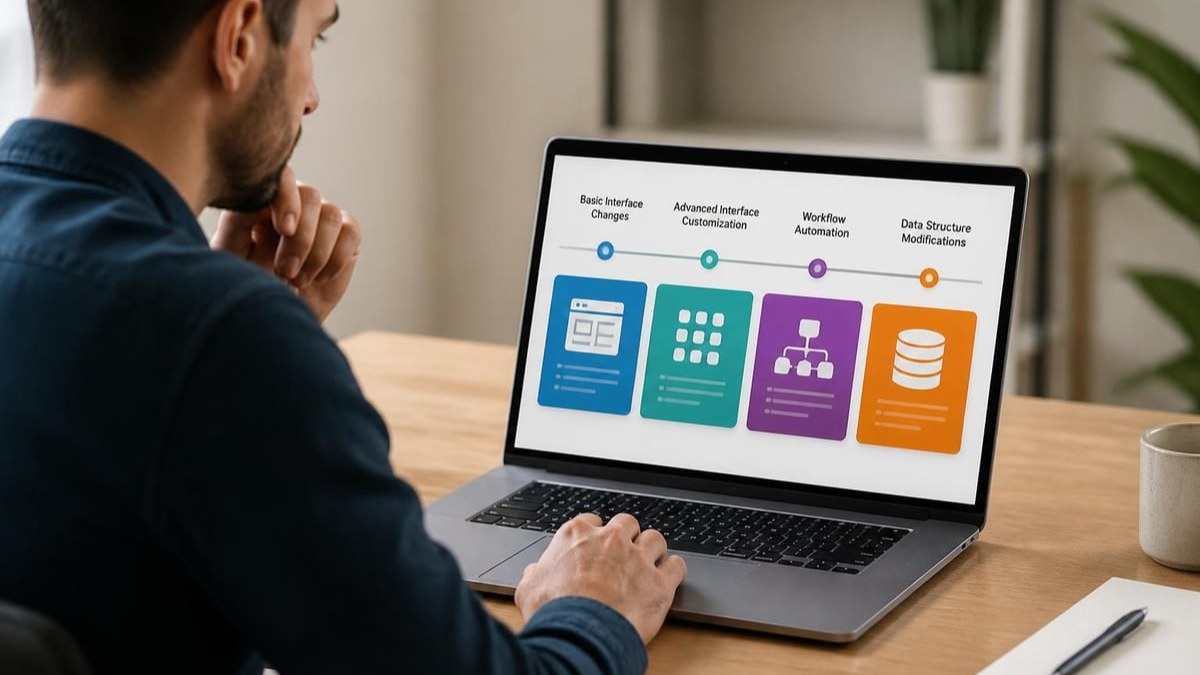
When you customise app settings and features, you're essentially moulding a digital tool to match your specific business processes. This approach differs significantly from adapting your workflows to accommodate inflexible software limitations. Modern applications offer varying degrees of customisation, from simple interface adjustments to comprehensive workflow modifications.
The spectrum of customisation ranges across several dimensions. Interface personalisation includes colour schemes, layout arrangements, and navigation structures. Functional customisation involves enabling or disabling features, setting default values, and configuring automated processes. Data customisation allows you to define custom fields, categories, and reporting parameters that align with your specific information requirements.
Why Customisation Matters for Electrical Professionals
Electricians face unique challenges that generic software cannot adequately address. Compliance requirements, site-specific data collection needs, and client communication preferences vary significantly across different projects and regions. When you customise app functionality to accommodate these variables, you eliminate redundant steps, reduce error rates, and accelerate project completion times.
Consider the certificate creation process. A standardised template might require electricians to manually skip irrelevant fields or delete inapplicable sections for every job. Customised templates that adapt based on installation type, property category, or regional requirements eliminate this inefficiency entirely.
Key Areas Where Customisation Delivers Maximum Value
Strategic customisation focuses on the specific pain points within your current workflow. Rather than changing settings arbitrarily, identify bottlenecks, repetitive tasks, and compliance risks that customisation could address.
Data Capture and Form Configuration
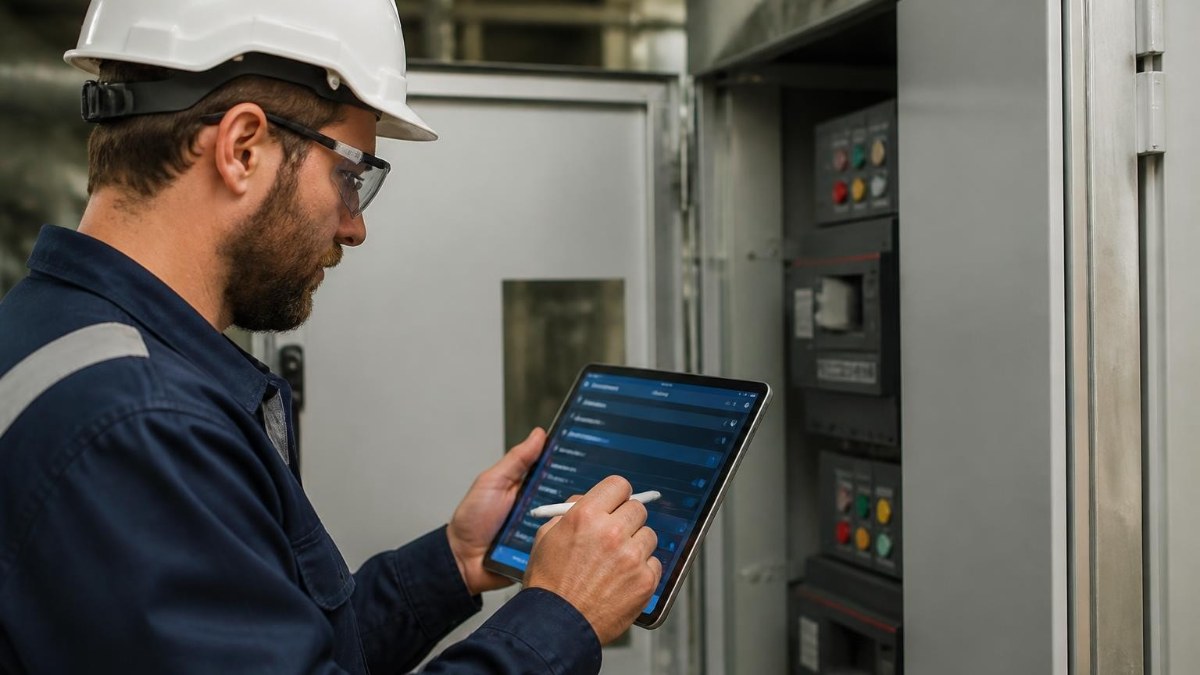
The most impactful customisation opportunities typically exist in data capture processes. Electrical compliance documentation requires collecting dozens of data points, from installation specifications to test results. Default forms rarely match the actual sequence electricians follow on-site.
Effective data capture customisation includes:
- Reordering form fields to match your physical inspection sequence
- Creating conditional logic that shows or hides fields based on previous responses
- Setting intelligent default values based on common installation types
- Implementing voice-to-text capabilities for hands-free data entry
- Configuring offline data synchronisation for sites without connectivity
By tailoring data entry screens to your actual workflow, you reduce the cognitive load on electricians completing certificates. This minimisation of mental switching between the physical inspection and digital recording improves both accuracy and speed. Following Android's user experience guidelines ensures your customised interfaces remain intuitive and efficient.
Template and Document Customisation
Professional electrical contractors often serve specific market segments with recurring installation types. Creating customised templates for these common scenarios eliminates repetitive data entry whilst maintaining consistency across documentation.
| Template Type | Customisation Benefit | Time Savings |
|---|---|---|
| Domestic installations | Pre-populated standard values | 15-20 minutes per certificate |
| Commercial three-phase | Automated calculation fields | 25-30 minutes per certificate |
| Solar PV systems | Compliance-specific sections | 20-25 minutes per certificate |
| Emergency lighting | Required test parameters | 10-15 minutes per certificate |
Document merging capabilities represent another powerful customisation opportunity. When completing large projects requiring multiple certificates, quotations, and supporting documentation, the ability to merge these into unified client deliverables saves substantial administrative time.
Technical Considerations When Customising Applications
Not all customisation approaches deliver equal long-term value. Some modifications create maintenance burdens, compatibility issues, or upgrade complications that ultimately negate their initial benefits.
Balancing Flexibility with Maintainability
The most sustainable customisation strategies leverage configuration options built into the application rather than requiring code-level modifications. Platform-native customisation tools ensure your modifications remain compatible with future updates and security patches.
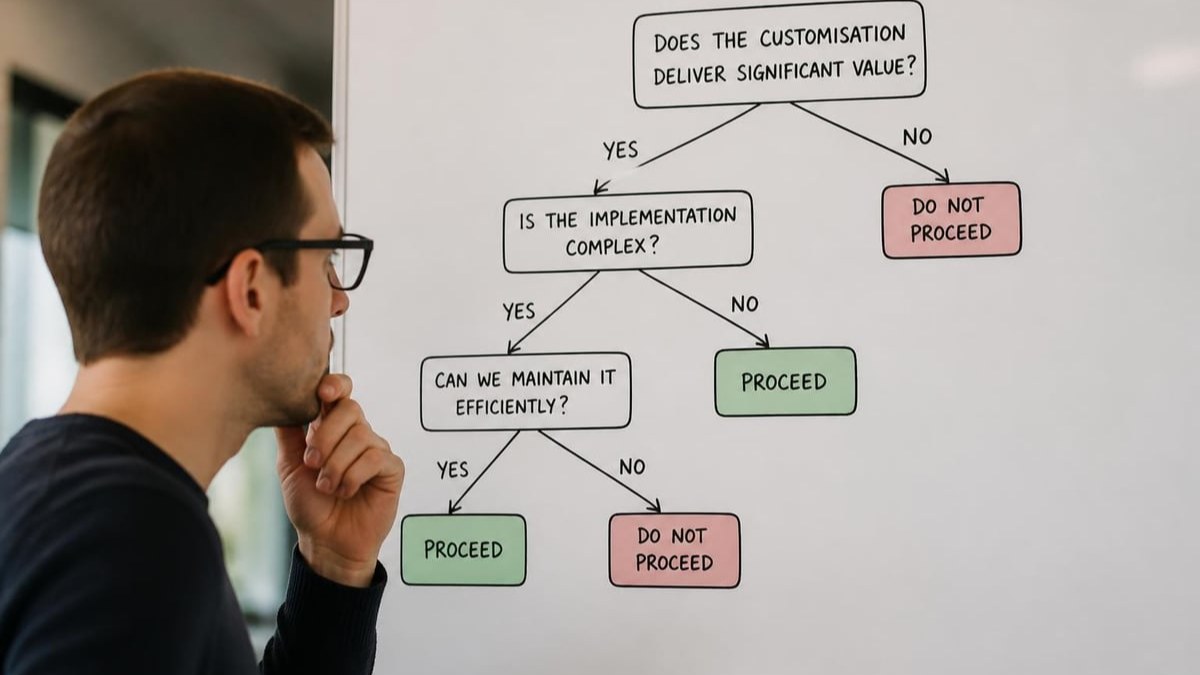
When evaluating whether to customise app components, consider these factors:
- Frequency of use: Customise features your team uses daily, not occasional edge cases
- Regulatory stability: Ensure customisations align with compliance requirements that won't change
- User training requirements: Complex customisations requiring extensive training may reduce overall productivity
- Upgrade compatibility: Verify customisations won't break during platform updates
- Performance impact: Some customisations can slow application response times
Responsive Design and Multi-Device Compatibility
Electrical contractors need access to compliance tools across multiple devices. On-site work requires mobile apps, whilst office administration often occurs on desktop computers. When you customise app interfaces, maintaining consistent functionality across devices becomes critical.
Best practices for customising app interfaces emphasise responsive design principles that adapt layouts automatically based on screen size. This approach ensures your customised workflows function identically whether accessed from a smartphone at an installation site or a laptop in the office.
Implementing Customisation for Team Collaboration
Electrical businesses rarely operate as solo practitioners. Most involve teams of electricians, apprentices, administrative staff, and subcontractors who need coordinated access to project information. Customising collaborative features enhances communication whilst maintaining data security.
Role-Based Customisation
Different team members require different access levels and interface priorities. Electricians need streamlined certificate creation tools, whilst office administrators require reporting dashboards and client communication features. Administrative personnel might need access to project comments and documentation without requiring full electrician credentials.
Role-specific customisation strategies:
- Lead electricians: Full creation and approval permissions with advanced customisation options
- Apprentices: Simplified interfaces with limited field access and automatic supervision routing
- Office staff: Read-only certificate access with enhanced reporting and client communication tools
- Subcontractors: Project-specific access with automatic expiration dates
This segmentation ensures each user sees only relevant features, reducing interface complexity and minimising accidental data modifications. The approach aligns with Microsoft's guidelines for app settings, which emphasise context-appropriate configuration options.
Communication Workflow Customisation
Traditional project communication often fragments across email threads, messaging apps, and verbal conversations. This dispersion creates information silos and documentation gaps that can cause compliance issues or client disputes.
Energy Warehouse addresses this challenge through integrated collaboration features that keep all project communication within the secure compliance platform. Team members can share comments, images, and videos directly on job records without creating external messaging groups. The synchronised nature between mobile app and web platform ensures updates appear instantly across all devices.
Security and Compliance Customisation
Electrical certificates represent legally binding compliance documents. Customisation must enhance security rather than creating vulnerabilities that compromise document integrity or client confidentiality.
Biometric Authentication Options
Traditional password-based authentication creates security risks when devices are shared, lost, or accessed by unauthorised individuals. Biometric signatures provide legally defensible authentication whilst eliminating password management complexity.
When configuring biometric features, consider these customisation options:
- Signature capture methods: Stylus, finger, or hybrid approaches
- Authentication triggers: Define which actions require biometric confirmation
- Backup authentication: Alternative verification methods when biometric fails
- Audit trail integration: Automatic logging of all biometric authentication events
Digital signatures with biometric verification ensure certificates cannot be modified after approval whilst providing irrefutable proof of who authorised specific documents. This capability has become increasingly important as regulatory bodies scrutinise digital certificates of compliance more rigorously.
Data Retention and Privacy Customisation
Compliance requirements mandate specific data retention periods whilst privacy regulations restrict unnecessary data collection. Customising your application's data handling practices ensures you meet both obligations simultaneously.
| Data Type | Retention Requirement | Customisation Approach |
|---|---|---|
| Completed certificates | 5+ years | Automatic cloud backup with secure archival |
| Client contact details | Duration of relationship | Configurable deletion upon project completion |
| Test measurements | Permanent record | Immutable storage with tamper-proof timestamping |
| Team communications | Project duration | Automatic purging post-completion with override option |
Automating Repetitive Tasks Through Smart Customisation
The most valuable customisations often involve eliminating manual steps through intelligent automation. Electrical compliance documentation includes numerous repetitive elements that can be automated without compromising accuracy or regulatory compliance.
Calculation and Validation Automation
Compliance certificates require various calculations based on test results, installation specifications, and regulatory formulas. Manual calculation introduces error risks and slows completion times. Automated calculation fields that update dynamically as electricians enter test data eliminate both problems.
Similarly, validation rules can prevent submission of certificates with missing required fields, out-of-range measurements, or inconsistent data. These automated checks catch errors before documents reach clients or regulatory bodies.
Workflow Status Automation
Large projects often involve multiple certificates at various completion stages. Customised status workflows with automatic notifications ensure nothing falls through administrative gaps. When an electrician marks a certificate as ready for review, automatic alerts notify supervisors without requiring manual follow-up.
This systematic approach to workflow management becomes particularly valuable when eliminating paperwork from electrical contracting operations. Digital automation replaces the physical movement of paper documents between team members with instant, traceable digital handoffs.

Platform Selection: Evaluating Customisation Capabilities
Not all digital platforms offer equivalent customisation flexibility. When selecting compliance software, assess customisation capabilities alongside core features to ensure long-term adaptability.
Configuration Versus Hard-Coding
Platforms that enable customisation through user-accessible configuration interfaces provide superior long-term value compared to those requiring developer intervention for modifications. Configuration-based customisation allows business owners to adjust settings as requirements evolve without incurring ongoing development costs.
Evaluate platforms based on:
- Settings accessibility: Can non-technical users modify configurations independently?
- Visual configuration tools: Does the platform provide graphical interfaces for customisation?
- Documentation quality: Are customisation options clearly explained with examples?
- Reversion capabilities: Can you undo customisations that don't deliver expected results?
- Template libraries: Does the platform provide starting points for common customisation scenarios?
Cloud-Based Flexibility
Cloud-based platforms offer inherent customisation advantages over locally installed software. Updates deploy automatically without requiring manual installation, customisation settings synchronise across devices instantly, and collaboration features function seamlessly regardless of team member locations.
For electrical contractors working across multiple sites, this cloud-based flexibility ensures customised workflows remain accessible whether on-site, in transit, or in the office. The synchronisation between web and mobile platforms means customisations apply universally without requiring separate configuration on each device.
Industry-Specific Customisation Strategies
Electrical compliance documentation involves unique requirements that generic business applications cannot adequately address. Understanding industry-specific customisation opportunities helps maximise the value of your digital platform investment.
Regulatory Compliance Alignment
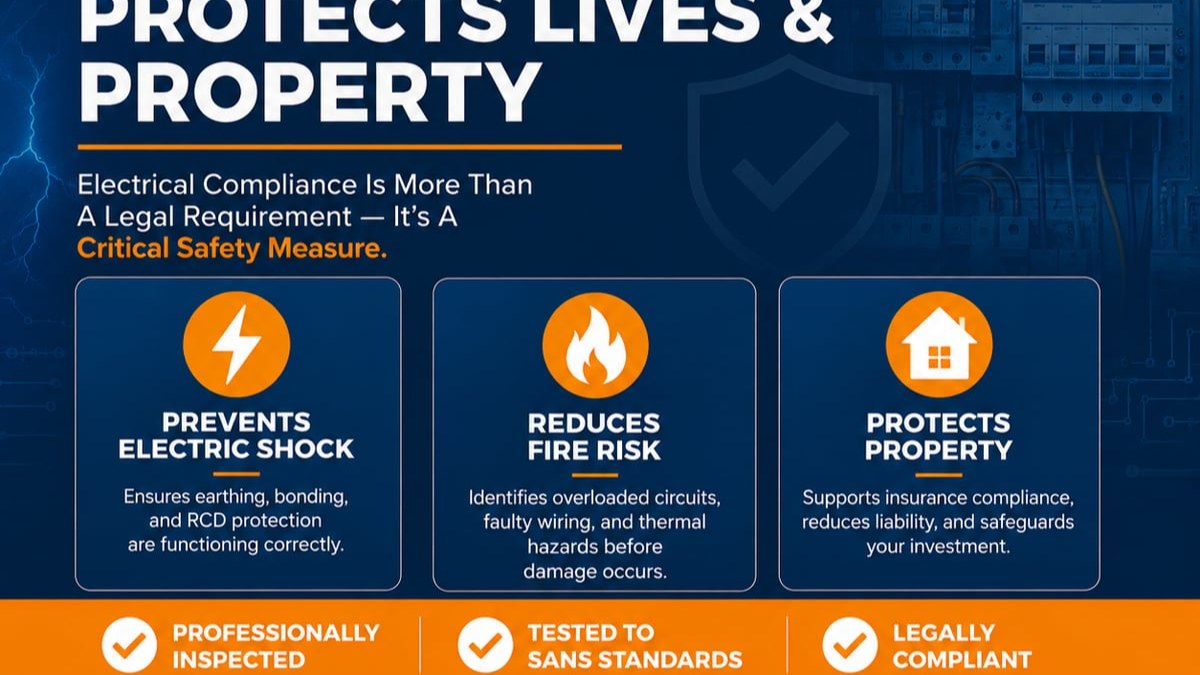
South African electrical installations must comply with SANS 10142-1 standards, which specify exact documentation requirements for Certificates of Compliance. Customising your app to incorporate these regulatory requirements ensures every certificate meets legal standards without requiring electricians to reference separate compliance documentation.
Compliance-focused customisations include:
- Pre-validated field options matching SANS specifications
- Mandatory sections that cannot be skipped
- Automatic cross-referencing of related compliance requirements
- Built-in warnings for out-of-specification measurements
- Regulatory update notifications when standards change
These features transform compliance from a burdensome checklist into an inherent component of your digital workflow. Following Apple's human interface guidelines ensures compliance features enhance rather than obstruct user experience.
Regional and Municipal Variations
Different municipalities sometimes impose additional requirements beyond national standards. Customising templates based on project location ensures you capture all necessary information during initial site visits, eliminating costly return trips to collect missing data.
Geographic customisation becomes particularly valuable for electrical contractors serving multiple regions. Creating location-specific templates with pre-populated municipal contact information, inspection processes, and submission requirements streamlines compliance across diverse service areas.
Measuring Customisation Success
Implementing customisation without measuring its impact on productivity and accuracy leaves you uncertain whether modifications deliver genuine value. Establishing metrics before customising your app provides baseline data for evaluating effectiveness.
Key Performance Indicators for Customisation
Track these metrics to quantify customisation benefits:
- Certificate completion time: Average duration from starting to submitting certificates
- Error rates: Percentage of certificates requiring revision before client delivery
- Client approval time: Duration between submission and client acceptance
- Team adoption rates: Percentage of team members actively using customised features
- Compliance pass rates: First-time approval percentages from regulatory bodies
Comparing these metrics before and after implementing specific customisations reveals which modifications deliver measurable improvements versus those that simply add complexity without proportional benefits.
Continuous Refinement
Effective customisation represents an ongoing process rather than a one-time configuration exercise. As your business evolves, client requirements change, and regulatory standards update, your app customisation should adapt accordingly.
Schedule quarterly reviews of your customised workflows to identify:
- Features team members bypass or work around
- Repetitive tasks that could benefit from further automation
- Client feedback suggesting documentation improvements
- Regulatory changes requiring template updates
- New team members struggling with specific customisation elements
This iterative refinement ensures your digital platform continues delivering maximum value as your business grows and market conditions evolve.
Advanced Customisation for Competitive Advantage
Beyond basic efficiency improvements, strategic customisation can create meaningful competitive differentiation. Electrical contractors who leverage advanced customisation capabilities deliver superior client experiences that justify premium pricing and generate referrals.
Client-Facing Customisation
Most compliance platforms focus exclusively on internal efficiency. Extending customisation to client-facing elements creates additional value that clients recognise and appreciate.
Consider customising:
- Certificate branding: Incorporating your company logo, colour scheme, and contact information
- Client portals: Providing branded access points where clients view project status and documentation
- Communication templates: Standardising professional client communications with customised messaging
- Delivery formatting: Presenting certificates in client-preferred formats with customised cover pages
These client-facing customisations reinforce your professional brand whilst demonstrating attention to detail that clients value.
Integration Customisation
Modern businesses utilise multiple digital platforms for accounting, project management, client relationship management, and compliance documentation. Customising integrations between these systems eliminates redundant data entry and ensures information consistency.
When evaluating integration customisation opportunities, prioritise connections that:
- Eliminate duplicate data entry across multiple platforms
- Automatically update project status in client-facing systems
- Synchronise financial information with accounting software
- Feed compliance data into business intelligence dashboards
- Trigger automated client communications upon certificate completion
These sophisticated integrations transform isolated digital tools into a cohesive technology ecosystem that maximises efficiency across all business operations.
Strategic app customisation transforms generic digital platforms into precision tools perfectly aligned with your specific business workflows and compliance requirements. By focusing customisation efforts on high-impact areas like data capture, team collaboration, and regulatory compliance, electrical contractors can dramatically reduce certificate completion times whilst improving accuracy and client satisfaction. Energy Warehouse provides the customisation flexibility professional electricians need to streamline compliance documentation, with features including customisable templates, integrated team collaboration, biometric signatures, and offline capability that adapt to your unique operational requirements.