
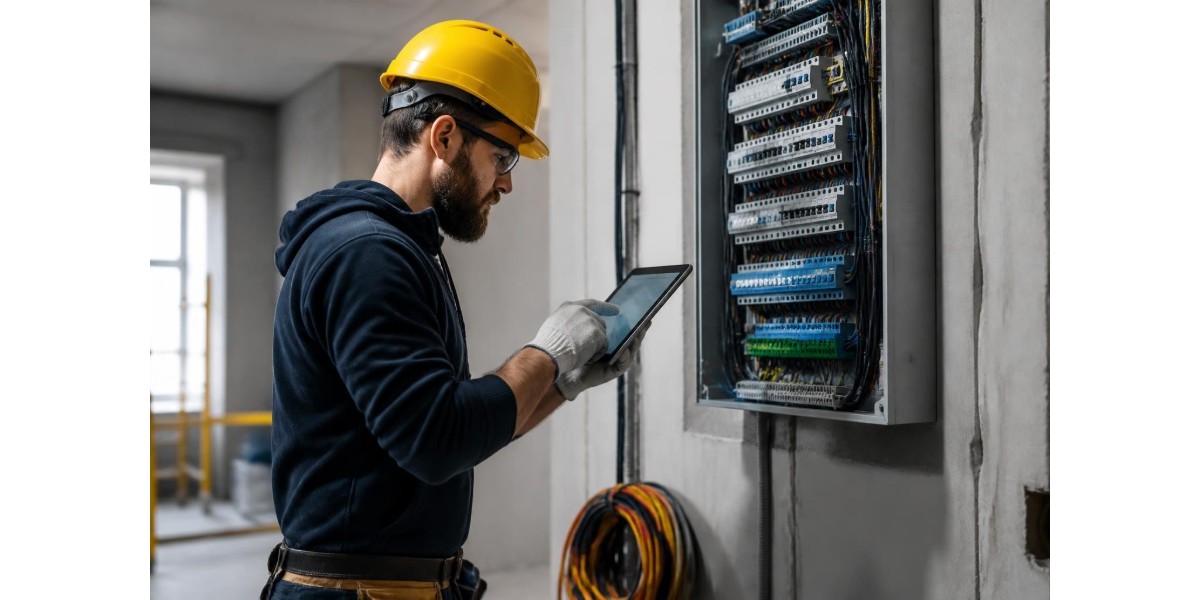
Managing work hours accurately has become increasingly critical for electrical professionals operating in regulated industries. A job hours app serves as an essential digital tool that enables electricians and contractors to track time spent on site, document compliance activities, and maintain accurate records for both billing and regulatory purposes. Modern solutions have evolved far beyond simple timesheets, integrating features such as GPS verification, project categorisation, and seamless export capabilities that align with industry-specific requirements.
Why Electricians Need Specialised Time Tracking Solutions
Traditional paper-based time tracking creates numerous challenges for electrical contractors. Manual entries are prone to errors, difficult to verify, and time-consuming to compile for invoicing purposes. When working across multiple sites throughout the day, recording accurate start and finish times becomes particularly challenging without digital assistance.
A dedicated job hours app addresses these pain points by providing real-time tracking capabilities that sync across devices. This ensures that time spent on each certificate of compliance or installation project is captured precisely, supporting accurate client billing and compliance documentation.
Regulatory Compliance and Documentation
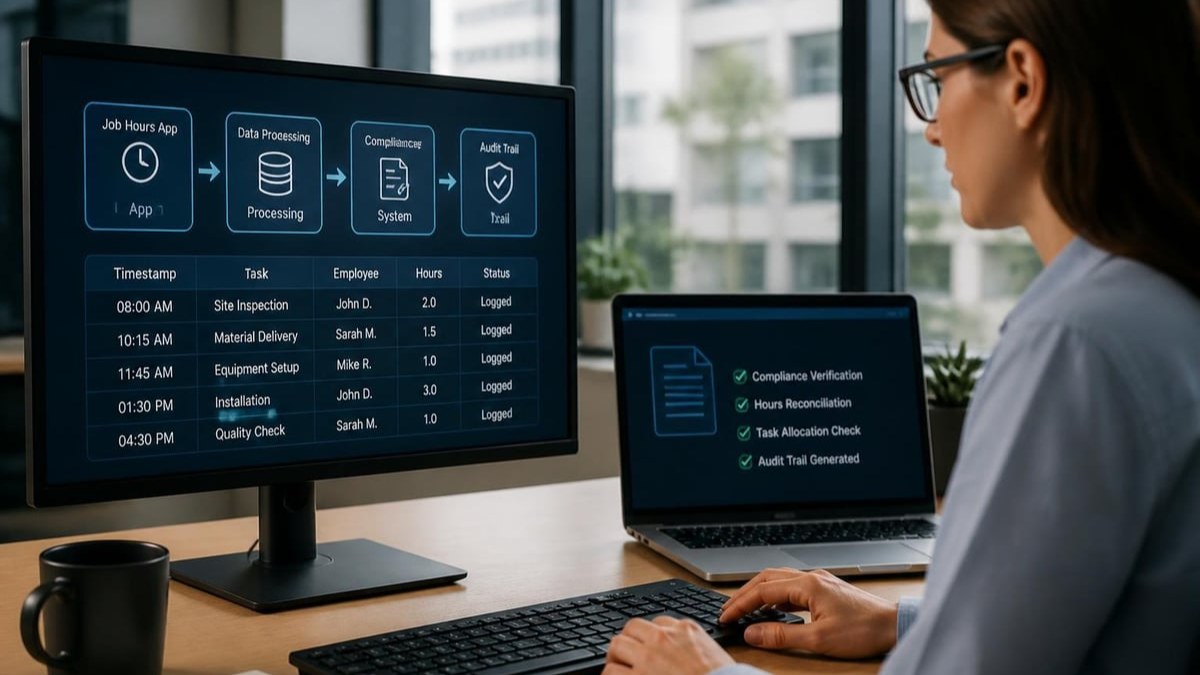
Electrical work in South Africa requires meticulous record-keeping to satisfy SANS 10142-1 standards. Time stamps associated with inspection activities, testing procedures, and certificate completion provide crucial evidence of due diligence. Digital time tracking creates an auditable trail that demonstrates professionals spent adequate time on compliance activities rather than rushing through safety-critical procedures.
Modern tracking solutions integrate with broader compliance platforms, ensuring that hours worked align with documented activities on each job. This integration proves particularly valuable during audits or when clients query the time allocated to specific tasks.
Essential Features in Professional Time Tracking Applications
Not all time tracking solutions suit the specific needs of electrical contractors. Selecting a job hours app requires careful evaluation of features that support field-based work patterns and compliance requirements.
Core Functionality Requirements
- Offline capability: Site locations frequently lack reliable internet connectivity, necessitating apps that capture data offline and sync when connection resumes
- Project-based tracking: Ability to categorise hours by client, site location, and specific job type
- GPS verification: Timestamp entries with location data to verify on-site presence
- Multi-user support: Team collaboration features for contractors managing apprentices or sub-contractors
- Export options: Flexible reporting formats compatible with accounting and project management systems
Integration Capabilities
The most valuable time tracking solutions don't operate in isolation. Integration with invoicing platforms, compliance documentation systems, and customer relationship management tools creates a seamless workflow. For electrical contractors managing digital certificates of compliance, linking time tracking data with certificate generation ensures that labour hours accurately reflect documented work.
Energy Warehouse streamlines this integration by enabling electricians to track project activities whilst simultaneously managing their SANS 10142-1 compliant certificates. The platform's synchronised approach means time spent on compliance activities automatically associates with the relevant documentation, reducing duplicate data entry and improving accuracy across all business records.

Comparing Time Tracking Methods for Electrical Contractors
Understanding the advantages and limitations of different approaches helps contractors select the optimal solution for their operational needs.
| Method | Accuracy | Compliance Support | Administrative Burden | Real-time Access |
|---|---|---|---|---|
| Paper timesheets | Low | Minimal | High | No |
| Spreadsheet tracking | Medium | Low | Medium | Limited |
| Basic time apps | High | Low | Low | Yes |
| Integrated compliance platforms | High | High | Very Low | Yes |
Traditional methods create significant administrative overhead. Transferring paper records to digital formats for invoicing consumes valuable time that could otherwise focus on billable work. Research on duty hours tracking applications demonstrates that app-based tracking substantially improves accuracy compared to manual methods whilst reducing the time burden on professionals.
Industry-Specific Requirements
Electrical contractors face unique tracking challenges compared to general tradespeople. Jobs frequently involve multiple site visits for inspection, installation, testing, and certification activities. A robust job hours app must accommodate this fragmented work pattern, allowing professionals to clock in and out of specific projects multiple times throughout the day without creating confusion in the underlying data.
Implementation Strategies for Maximum Adoption
Introducing new digital tools to established workflows requires careful planning. Even the most feature-rich job hours app fails if team members don't consistently use it. Successful implementation follows structured approaches that address both technical and human factors.
Rolling Out Time Tracking Across Teams
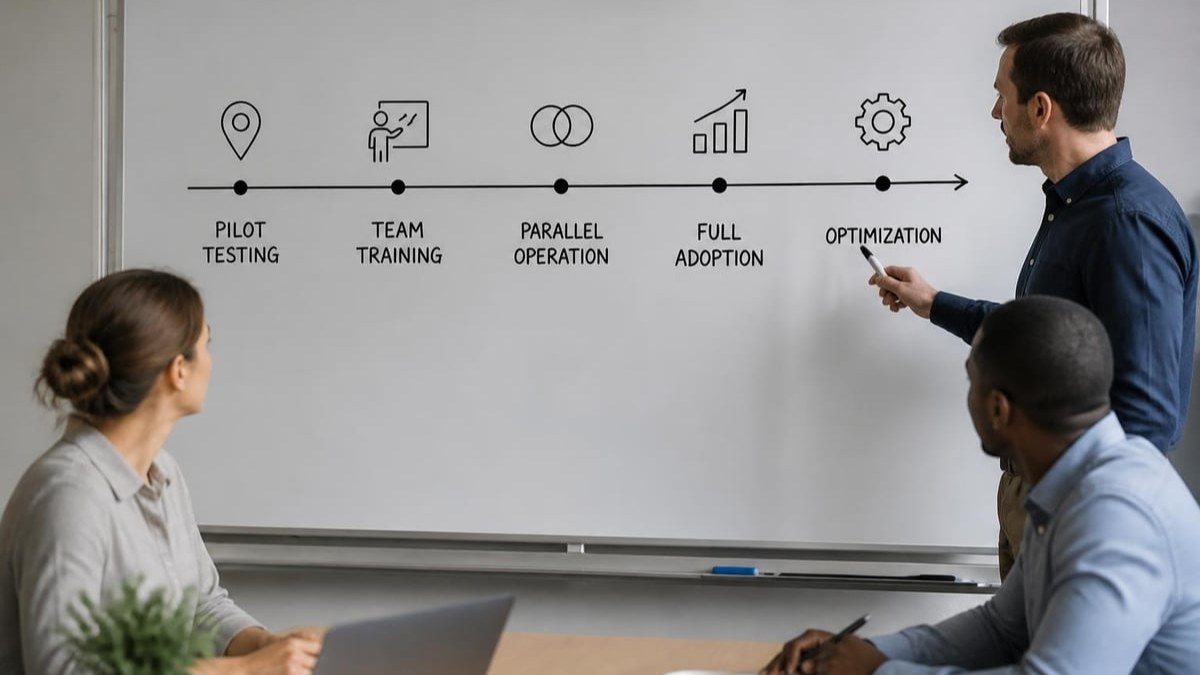
- Select a champion: Designate one team member to master the system first and provide peer support during rollout
- Start with one project: Test the application on a single job before expanding to all activities
- Establish clear protocols: Define when to start timers, how to categorise different activities, and acceptable verification procedures
- Link to compensation: Connect tracked hours directly to payment processes to incentivise accurate recording
- Review and refine: Schedule weekly check-ins during the first month to address challenges and optimise processes
The transition period typically requires two to four weeks for teams to develop consistent habits. During this phase, running parallel systems (maintaining existing methods whilst adopting the new app) provides reassurance and allows for data validation.
Overcoming Resistance to Digital Adoption
Experienced electricians who've relied on paper systems for decades may initially resist digital time tracking. Addressing concerns directly and demonstrating tangible benefits accelerates acceptance. Many professionals worry about surveillance implications or complexity of new technology.
Emphasising how a job hours app protects their interests proves more effective than focusing solely on business benefits. Accurate time records ensure they receive credit for all work performed, whilst GPS verification protects against false claims about site attendance. The DOL-Timesheet App illustrates how government agencies recognise digital tracking as beneficial for worker protection, not merely employer monitoring.
Data Security and Privacy Considerations
Location tracking and detailed work records create sensitive data requiring appropriate protection. Professional job hours app solutions must implement robust security measures that satisfy both regulatory requirements and ethical obligations to workers.
Key Security Features
- Encrypted data transmission: All information transferred between devices and servers must use current encryption standards
- Role-based access controls: Limit who can view, modify, or delete time records
- Audit trails: Maintain logs of all changes to time entries, preventing undetectable alterations
- Biometric authentication: Prevent buddy-punching through fingerprint or facial recognition verification
- Compliant data storage: Ensure servers meet data protection requirements for the jurisdiction
Biometric signatures provide an additional layer of verification that confirms the correct individual recorded the time entry. This technology has become increasingly accessible through smartphone integration, eliminating the need for specialised hardware.
Maximising Return on Investment
The value of a job hours app extends beyond simple time tracking. Strategic use of collected data reveals insights that drive business improvements and competitive advantages.
Analytics and Business Intelligence
Aggregated time data exposes patterns invisible through traditional record-keeping. Analysis might reveal that certain types of certificates consistently require more time than estimated, indicating pricing adjustments needed to maintain profitability. Alternatively, comparing hours across team members for similar tasks identifies training opportunities or highlights particularly efficient approaches worth standardising.
Key metrics to monitor:
- Average time per job type
- Variance between estimated and actual hours
- Travel time as percentage of total hours
- Overtime trends indicating capacity constraints
- Utilisation rates across team members
This intelligence supports more accurate quotations for future work. When bidding on contracts involving multiple compliance certificates, historical data from your job hours app provides empirical foundation for estimates rather than guesswork.
Invoicing Accuracy and Client Transparency
Detailed time records strengthen client relationships by providing transparent breakdowns of labour charges. Rather than presenting a lump sum, itemised invoices showing time allocated to specific activities demonstrate value and reduce payment disputes. Clients appreciate understanding exactly where their money goes, particularly when compliance activities represent significant portions of electrical projects.
Platforms that eliminate paperwork by integrating time tracking with compliance documentation and invoicing create seamless workflows from job commencement through final payment. This integration reduces the administrative burden that often makes electrical contracting less profitable than pure installation work.
Mobile Optimisation and Field Usability
Electricians work in diverse environments, from construction sites to industrial facilities. A truly effective job hours app must function reliably across these varied conditions without requiring extensive training or constant technical support.
Interface Design Considerations
Field-based applications demand different interface approaches than office software. Controls must remain accessible whilst wearing work gloves, screens need visibility in bright outdoor conditions, and workflows should require minimal steps to accommodate brief interactions throughout the workday. Voice-to-text capabilities prove particularly valuable, allowing professionals to add notes about activities without stopping work to type detailed descriptions.
Battery consumption presents another critical factor. Applications running continuously throughout multi-site workdays can drain device batteries, leaving professionals without communication capabilities when needed. Efficient coding that minimises power usage whilst maintaining accurate tracking represents a key differentiator amongst competing solutions.
Integration with Broader Business Systems
Time tracking data becomes exponentially more valuable when connected to other business processes. Modern job hours app solutions offer API connections and native integrations that eliminate duplicate data entry across platforms.
| Integration Type | Business Benefit | Efficiency Gain |
|---|---|---|
| Accounting software | Automated invoice generation | 3-5 hours weekly |
| Project management | Real-time progress tracking | Improved deadline accuracy |
| Compliance platforms | Linked documentation timestamps | Enhanced audit readiness |
| Customer relationship management | Service history visibility | Better client retention |
| Payroll systems | Direct wage calculation | Reduced processing errors |
For electrical contractors, integration with compliance documentation platforms creates particular value. When time spent on testing and inspection activities automatically links to the associated certificate, it creates a comprehensive audit trail demonstrating thorough professional practice. This integration supports the future of electrical compliance where digital systems provide seamless documentation across all aspects of professional electrical work.
Selecting the Right Solution for Your Electrical Business
The market offers numerous time tracking applications, each with different strengths and target audiences. Electrical contractors should evaluate options against specific criteria relevant to their operational requirements.
Evaluation Framework
Begin by listing must-have features versus nice-to-have capabilities. For compliance-focused electrical work, integration with certificate management platforms likely represents a must-have rather than optional feature. Similarly, offline functionality proves essential for contractors regularly working in areas with poor connectivity.
Practical testing approach:
- Shortlist three to five applications meeting core requirements
- Request trial periods from each provider
- Assign real projects during trials to assess actual usability
- Gather feedback from all team members who'll use the system
- Compare total cost of ownership including subscription fees, training time, and implementation support
Many contractors discover that apparently cheaper solutions create hidden costs through poor integration requiring manual data transfer between systems. Calculating the true hourly cost of administrative work reveals that slightly more expensive but better-integrated platforms deliver superior value.
Scalability and Growth Considerations
Your current team size may be three electricians, but selecting a job hours app should account for future growth. Transitioning between systems as your business expands creates disruption and potentially loses historical data valuable for trend analysis. Cloud-based solutions typically offer flexible pricing that scales with team size whilst maintaining consistent functionality.
Consider whether the platform supports multiple business entities if you plan to operate separate brands or divisions. Similarly, international work requires applications that handle multiple currencies and time zones without creating confusion in underlying data.
Training and Ongoing Support Requirements
Even intuitive applications require some training to ensure team members use features correctly and consistently. Evaluating vendor support options should form part of your selection process.
Support Models to Evaluate
- Self-service resources: Comprehensive documentation, video tutorials, and knowledge bases for independent learning
- Live support: Phone or chat assistance during business hours to resolve urgent issues
- Implementation assistance: Dedicated onboarding support to configure the system for your specific workflows
- Regular training updates: Ongoing education as new features release or best practices evolve
The quality of training materials varies dramatically across providers. Some offer extensive video libraries covering every feature, whilst others provide only basic text documentation. For teams less comfortable with technology, robust training resources prove essential to successful adoption.
Cost Structures and Financial Planning
Understanding the total investment required for implementing a job hours app helps with budgeting and prevents unexpected expenses derailing adoption.
Typical Cost Components
Subscription fees represent the most visible expense, typically charged monthly or annually per user. Annual payment often secures discounts of 15-20% compared to monthly billing. Beyond subscriptions, consider implementation costs including time spent configuring the system, training team members, and running parallel with existing methods during transition.
Some platforms charge additional fees for premium features such as advanced reporting, API access for integrations, or exceeding storage limits. Understanding the complete pricing structure prevents budget surprises six months into usage.
Budget planning checklist:
- Base subscription costs for current team size
- Premium feature add-ons required for your operations
- Integration fees if connecting to accounting or project management systems
- Training time valued at your team's hourly rates
- Ongoing administrative time for system maintenance and user management
Return on investment calculations should account for both hard savings (reduced administrative hours, more accurate invoicing) and soft benefits (improved client relationships, better business intelligence). Most electrical contractors report that comprehensive job hours app solutions pay for themselves within three to six months through improved efficiency and billing accuracy.
Implementing robust time tracking transforms how electrical contractors manage their businesses, providing the data foundation for accurate invoicing, compliance documentation, and strategic decision-making. For professionals handling SANS 10142-1 compliance work, integrating time tracking with certificate management creates seamless workflows that save hours weekly whilst improving accuracy. Energy Warehouse offers electricians a comprehensive platform that combines digital certificate management with the broader business tools needed for efficient operations, including features that streamline team collaboration and documentation. Discover how digital transformation can accelerate your compliance processes whilst reducing administrative burden.