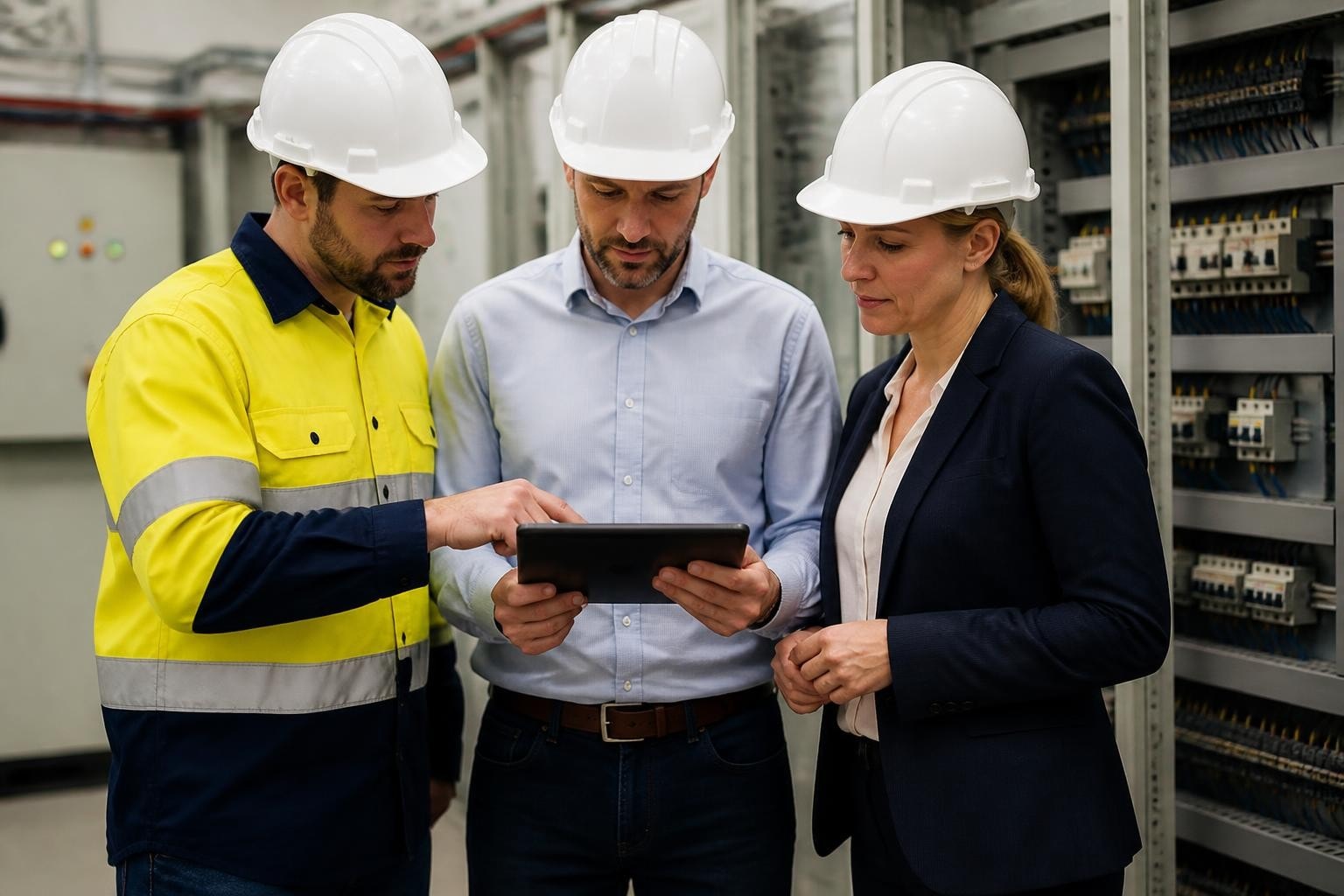
Effective teamcollaboration has become the cornerstone of operational excellence in technical industries. For electricians and compliance professionals working with SANS 10142-1 standards, the ability to seamlessly share information, coordinate inspections, and maintain documentation across teams determines both efficiency and regulatory success. As digital transformation reshapes how electrical professionals manage Certificates of Compliance, understanding teamcollaboration principles proves essential for businesses seeking competitive advantage in 2026.
The Foundation of Effective Teamcollaboration
Modern teamcollaboration extends far beyond simple communication. It represents a strategic approach to coordinating efforts, sharing knowledge, and achieving collective goals whilst maintaining individual accountability.
Building Communication Frameworks
Strong communication frameworks form the bedrock of successful teamcollaboration. Teams must establish clear channels for different types of information-urgent compliance issues require immediate notification systems, whilst project updates benefit from scheduled check-ins.
For electrical contractors managing multiple sites, this means implementing:
- Real-time notification systems for critical compliance matters
- Structured reporting channels for daily progress updates
- Centralised documentation repositories accessible to all team members
- Standardised communication protocols for Certificate of Compliance workflows
The difference between reactive and proactive teamcollaboration often hinges on these foundational elements. Teams that establish communication norms early prevent confusion and reduce costly errors during compliance verification processes.

Establishing Shared Goals and Accountability
Effective team collaboration practices require alignment around measurable objectives. When electrical teams work on compliance documentation, everyone must understand both individual responsibilities and collective targets.
This alignment manifests through:
- Clear role definitions specifying who captures site data, who reviews certificates, and who manages client communications
- Measurable performance indicators tracking completion rates, accuracy levels, and turnaround times
- Shared visibility into project status and pending tasks
- Regular accountability reviews ensuring continuous improvement
Teams practising strong teamcollaboration don't merely assign tasks-they create ownership cultures where each member understands how their work contributes to broader compliance objectives.
Digital Tools Transforming Teamcollaboration
Technology has fundamentally altered how teams coordinate efforts, particularly in field-based industries where physical proximity isn't always possible. The best online collaboration tools of 2026 offer features specifically designed to bridge geographical gaps and streamline workflows.
Cloud-Based Platforms and Accessibility
Cloud technology eliminates traditional barriers to teamcollaboration. Electricians working across different sites can access the same Certificate of Compliance templates, update project status simultaneously, and share critical information without email chains or physical document transfers.
| Feature | Traditional Method | Cloud-Based Teamcollaboration |
|---|---|---|
| Document Access | Office-bound, single copy | Anywhere, anytime, multi-user |
| Version Control | Manual tracking, confusion | Automatic, single source of truth |
| Team Visibility | Limited, delayed updates | Real-time progress monitoring |
| Data Security | Physical storage risks | Encrypted, backed-up, compliant |
The shift towards cloud-based teamcollaboration particularly benefits electrical contractors who previously struggled with paper-based Certificate of Compliance systems. Digital platforms enable field technicians to capture data on-site, whilst office teams simultaneously prepare supporting documentation.
Mobile-First Collaboration Solutions
Mobile capabilities have become non-negotiable for effective teamcollaboration in 2026. Electricians cannot remain tethered to desks when work happens across construction sites, residential properties, and commercial facilities.
Mobile-optimised teamcollaboration platforms provide:
- Voice-to-text functionality for hands-free data entry during inspections
- Offline capability ensuring work continues without internet connectivity
- Biometric security protecting sensitive compliance information
- Instant synchronisation when connectivity resumes
Energy Warehouse exemplifies how mobile-first design enhances teamcollaboration for compliance professionals, enabling electricians to create and manage digital Certificates of Compliance up to 60% faster than traditional manual methods through features specifically designed for field work and team coordination.
Strategies for Strengthening Cross-Functional Teamcollaboration
Electrical compliance work inherently involves multiple specialisations-installation electricians, testing specialists, administrative staff, and compliance officers all play distinct roles. Cross-departmental collaboration best practices provide frameworks for coordinating these diverse functions effectively.
Breaking Down Information Silos
Information silos represent one of the greatest threats to effective teamcollaboration. When field technicians maintain separate records from office staff, or when testing data doesn't flow seamlessly to documentation teams, errors multiply and efficiency plummets.
Successful teams address silos through:
- Unified data repositories where all compliance information resides in accessible formats
- Integrated workflows connecting field capture to office processing to client delivery
- Transparent progress tracking allowing every team member to see current project status
- Shared templates and standards ensuring consistency across all Certificates of Compliance
Breaking down silos doesn't eliminate specialisation-it ensures specialists can access the information they need when they need it.
Creating Collaborative Workflows
Workflow design significantly impacts teamcollaboration quality. Well-structured processes guide team members through complex compliance requirements whilst maintaining flexibility for unique situations.
Consider the Certificate of Compliance workflow:
- Field electrician completes installation and initial testing
- Data captured digitally with voice notes and measurements
- Office team receives real-time updates for document preparation
- Compliance officer reviews for SANS 10142-1 adherence
- Client receives completed certificate with digital signatures
- All documentation automatically archived for future reference
Each step requires teamcollaboration between different specialists. Digital platforms that support these workflows eliminate handoff delays and reduce transcription errors that plague manual processes.

Measuring and Improving Teamcollaboration Performance
Continuous improvement distinguishes high-performing teams from merely functional ones. Organisations serious about teamcollaboration establish metrics, gather feedback, and iterate on their approaches.
Key Performance Indicators for Collaboration
Measuring teamcollaboration requires looking beyond individual productivity to assess collective effectiveness. Relevant metrics for electrical compliance teams include:
| Metric | What It Measures | Target Range |
|---|---|---|
| Certificate Completion Time | End-to-end collaboration efficiency | 40-60% reduction vs manual |
| Error Rate | Accuracy through collaborative checks | <2% requiring rework |
| Team Response Time | Communication effectiveness | <2 hours for critical issues |
| Document Accessibility | Information sharing success | 100% cloud availability |
| Client Satisfaction | External perception of teamwork | >90% positive ratings |
These indicators reveal whether teamcollaboration investments translate into operational improvements. Teams that regularly review these metrics identify bottlenecks and optimise accordingly.
Feedback Loops and Continuous Learning
The most effective teamcollaboration cultures embrace feedback as growth opportunities. Regular retrospectives allow electrical teams to discuss what worked, what didn't, and how processes might improve.
Structured feedback mechanisms include:
- Weekly team check-ins discussing current challenges and successes
- Monthly workflow reviews examining process efficiency
- Quarterly training sessions introducing new collaboration techniques
- Annual strategy assessments aligning teamcollaboration with business objectives
For teams managing compliance documentation, these feedback loops often reveal opportunities to standardise approaches, clarify responsibilities, or adopt new technological capabilities.
Security and Compliance in Collaborative Environments
Enhanced teamcollaboration introduces new security considerations, particularly when handling sensitive client information and regulatory documentation. Electrical contractors must balance accessibility with protection.
Data Protection in Shared Platforms
Digital teamcollaboration platforms must implement robust security measures:
- End-to-end encryption for all transmitted data
- Role-based access controls limiting information exposure
- Audit trails tracking who accessed what and when
- Biometric authentication preventing unauthorised access
- Automated backup systems protecting against data loss
These protections ensure teamcollaboration doesn't compromise data privacy obligations or expose clients to unnecessary risks.
Maintaining Compliance Across Teams
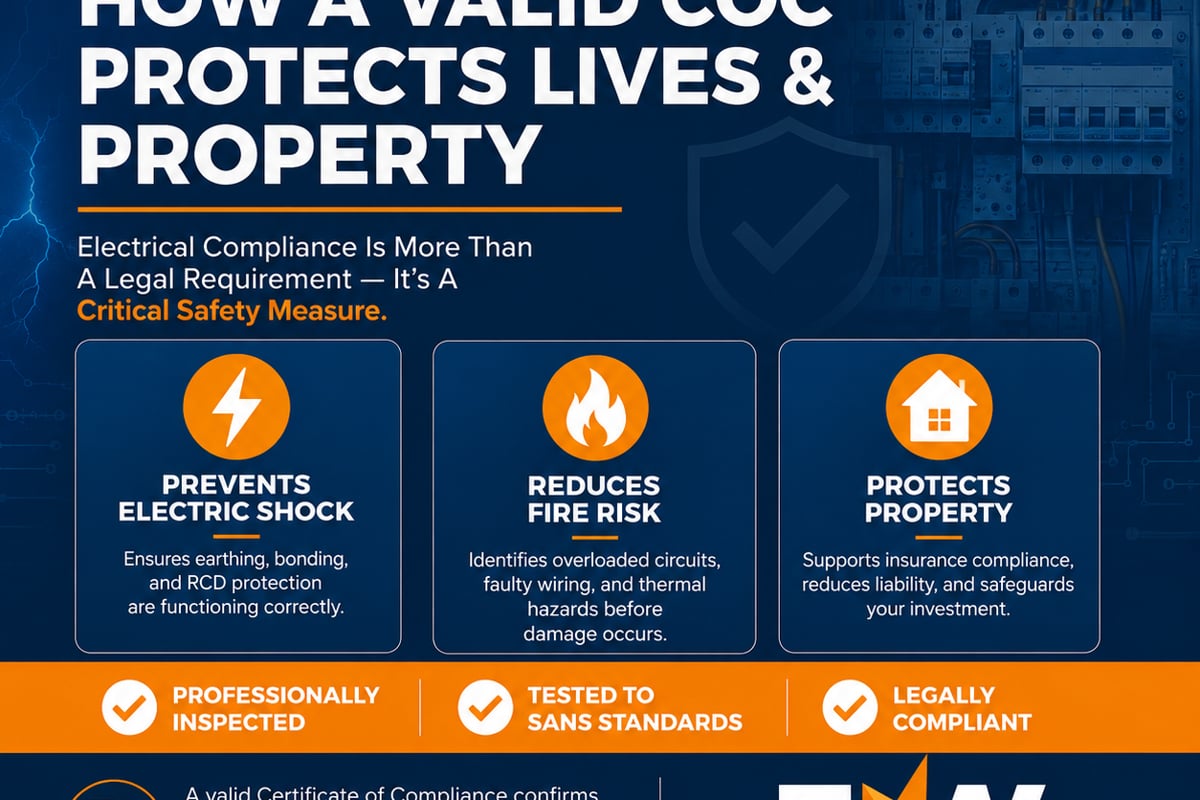
SANS 10142-1 compliance requires meticulous attention to standards and documentation. Teamcollaboration platforms supporting electrical work must enforce these requirements through:
- Built-in compliance checks validating data completeness before submission
- Standardised templates ensuring consistency across all team members
- Digital signature capabilities providing legally valid authorisations
- Version control maintaining clear records of document evolution
- Archival systems preserving certificates for regulatory retention periods
When teamcollaboration tools embed compliance requirements, teams reduce errors and accelerate approval processes.
Technology Integration and Teamcollaboration Enhancement
Modern businesses rarely rely on single platforms. Effective teamcollaboration requires integrating multiple systems to create seamless workflows.
Connecting Collaboration Tools with Existing Systems
Electrical contractors typically operate accounting software, scheduling systems, client management platforms, and compliance tools simultaneously. AV and IT technologies that support collaboration cultures must work together rather than creating additional fragmentation.
Integration strategies include:
- API connections between compliance platforms and accounting systems
- Automated data synchronisation reducing manual entry
- Unified dashboards presenting information from multiple sources
- Single sign-on capabilities simplifying user access
- Cross-platform mobile apps providing consistent experiences
When systems communicate effectively, teamcollaboration improves because information flows naturally between different business functions.
Balancing Automation and Human Interaction
Technology enhances teamcollaboration, but excessive automation can diminish the human judgement essential for complex compliance work. The optimal balance leverages automation for routine tasks whilst preserving personal interaction for nuanced decisions.
Automation handles:
- Data capture and initial validation
- Template population and formatting
- Reminder notifications and deadline tracking
- Standard compliance checks
- Document routing and storage
Human teamcollaboration addresses:
- Complex technical interpretations
- Client communication and relationship building
- Non-standard situation resolution
- Quality assurance and final reviews
- Strategic planning and process improvement
This division allows teams to focus collaboration energy where it delivers maximum value.
Cultural Factors Influencing Teamcollaboration Success
Technology and processes enable teamcollaboration, but culture determines whether teams genuinely embrace collaborative approaches or merely go through motions.
Building Trust and Psychological Safety
Effective teamcollaboration requires trust-team members must feel confident sharing concerns, admitting mistakes, and asking questions without fear of blame or ridicule. For electrical teams managing critical compliance work, this psychological safety proves essential.
Leaders build trust through:
- Acknowledging errors constructively rather than assigning blame
- Celebrating collaborative successes highlighting team achievements
- Encouraging questions treating inquiries as learning opportunities
- Modelling vulnerability admitting when they need help or information
- Protecting team members from external criticism when mistakes occur
Teams with strong trust exhibit superior teamcollaboration because members willingly share information and coordinate efforts without protective behaviours.
Recognising and Rewarding Collaborative Behaviours
Organisations often inadvertently undermine teamcollaboration by rewarding individual achievement whilst ignoring collective success. Electrical contractors serious about collaboration must align recognition systems with desired behaviours.
Effective recognition approaches include:
| Recognition Type | Individual Focus | Teamcollaboration Focus |
|---|---|---|
| Performance Reviews | Personal certificate count | Team efficiency improvements |
| Bonuses | Individual productivity | Collective quality metrics |
| Promotions | Technical expertise only | Technical skills plus collaboration |
| Public Acknowledgement | Solo achievements | Team problem-solving successes |
When rewards reflect collaborative values, team members naturally prioritise coordination, information sharing, and mutual support.
Adapting Teamcollaboration for Hybrid and Remote Work
The 2026 workplace increasingly embraces flexible arrangements. Electrical contractors managing field teams already understand distributed work, but effective teamcollaboration in hybrid environments requires intentional design.
Maintaining Connection Across Locations
Distributed teamcollaboration faces unique challenges-casual hallway conversations don't happen, non-verbal communication diminishes, and timezone differences complicate coordination. Successful teams proactively address these barriers.
Strategies include:
- Regular video check-ins maintaining personal connection
- Digital water cooler spaces for informal interaction
- Overlapping hours ensuring real-time collaboration opportunities
- Asynchronous communication norms respecting different schedules
- Occasional in-person gatherings strengthening team bonds
For electrical teams, this might mean scheduling coordination meetings when field technicians return to the office, or using video calls to conduct remote inspections collaboratively.
Ensuring Equitable Participation
Hybrid teamcollaboration must avoid creating first-class (office) and second-class (remote) participants. Everyone deserves equal access to information, opportunities to contribute, and visibility for their work.
Equity practices include:
- Default to digital so remote participants access the same information as office-based colleagues
- Record meetings allowing those unable to attend synchronously to stay informed
- Use collaborative documents rather than private files
- Rotate meeting times accommodating different schedules fairly
- Amplify remote voices ensuring field perspectives influence decisions
When teamcollaboration platforms provide equal capabilities regardless of location, distributed teams perform as cohesively as co-located ones.
Future Trends Shaping Teamcollaboration
Understanding emerging trends helps electrical contractors prepare their teamcollaboration strategies for evolving conditions.
Artificial Intelligence and Collaborative Intelligence
AI increasingly augments human teamcollaboration rather than replacing it. Intelligent systems assist with scheduling coordination, summarising discussions, identifying patterns in compliance data, and suggesting process improvements.
Future teamcollaboration might include:
- AI assistants scheduling optimal meeting times across complex calendars
- Automated transcription and action item extraction from team discussions
- Predictive analytics identifying potential compliance issues before they occur
- Intelligent routing systems directing queries to appropriate team members
- Natural language interfaces simplifying data entry and retrieval
These capabilities enhance human teamcollaboration by handling routine coordination tasks and surfacing relevant information proactively.
Sustainability and Collaborative Practices
Environmental consciousness shapes teamcollaboration approaches. Digital Certificate of Compliance platforms exemplify how technology reduces paper consumption, eliminates physical document transport, and decreases the carbon footprint associated with compliance processes.
Sustainable teamcollaboration practices include:
- Paperless workflows reducing resource consumption
- Remote collaboration minimising travel requirements
- Cloud infrastructure optimising energy efficiency
- Digital archiving eliminating physical storage needs
- Integrated systems reducing redundant data handling
Teams prioritising sustainability find that environmental benefits often align with operational efficiency improvements.
Mastering teamcollaboration transforms how electrical contractors approach compliance work, turning administrative burdens into streamlined processes that enhance both efficiency and accuracy. By implementing robust communication frameworks, leveraging appropriate digital tools, and fostering collaborative cultures, teams achieve superior results whilst maintaining SANS 10142-1 compliance. Energy Warehouse provides electrical professionals with the collaborative platform necessary for modern compliance management, offering cloud-based certificate creation, real-time team coordination, and mobile-first design that brings teamcollaboration capabilities directly to the field where work happens.