

The digital landscape continues to evolve rapidly, and professionals across industries are increasingly relying on specialised applications to manage their workflows more efficiently. A change app represents a critical tool for businesses seeking to modernise their processes, eliminate paperwork, and improve operational accuracy. For electricians and compliance professionals working with certificates of compliance, understanding how these digital solutions transform traditional methods becomes essential for staying competitive in 2026.
Understanding the Change App Concept
A change app fundamentally alters how professionals approach their daily tasks by replacing manual, paper-based systems with intelligent digital workflows. These applications serve as comprehensive platforms that centralise data, automate repetitive processes, and ensure compliance with industry standards.
The primary function of such applications involves creating a seamless bridge between field operations and administrative requirements. Rather than juggling multiple tools, professionals can manage everything from data capture to document signing within a single ecosystem. This consolidation reduces errors, saves time, and provides instant access to critical information regardless of location.
Key Features That Drive Adoption
Modern change applications incorporate several essential features that distinguish them from basic digital tools:
- Cloud synchronisation that ensures data accessibility across multiple devices
- Offline functionality enabling work continuation without internet connectivity
- Automated compliance checks that verify information against regulatory standards
- Digital signature capabilities with biometric security options
- Template management for consistent document creation
These features collectively address the pain points that professionals face when managing complex compliance documentation. The App Store listing for the Change app demonstrates how users value streamlined processes and intuitive interfaces.

Transforming Compliance Documentation
For electricians managing Certificates of Compliance, a change app revolutionises the entire documentation lifecycle. Traditional methods involving handwritten forms, physical signatures, and manual filing create numerous opportunities for errors and delays. Digital platforms eliminate these friction points whilst maintaining full regulatory compliance.
The transformation begins with data capture. Voice-to-text functionality allows professionals to document observations hands-free, significantly reducing time spent on administrative tasks. This captured information automatically populates templates designed to meet SANS 10142-1 requirements, ensuring consistency across all documentation.
Speed and Accuracy Benefits
| Metric | Manual Process | Change App Process | Improvement |
|---|---|---|---|
| Document creation time | 60-90 minutes | 20-30 minutes | 60% faster |
| Error rate | 15-20% | 2-5% | 75% reduction |
| Storage retrieval | 10-15 minutes | Instant | 100% faster |
| Signature collection | 2-5 days | Same day | 80% faster |
These measurable improvements demonstrate why professionals increasingly adopt digital solutions. The efficiency gains compound over time, allowing businesses to complete more projects whilst maintaining higher quality standards.
Integration with Existing Workflows
Implementing a change app doesn't require completely abandoning existing processes. The most effective platforms integrate seamlessly with current workflows, gradually replacing inefficient manual steps whilst preserving institutional knowledge and established procedures.
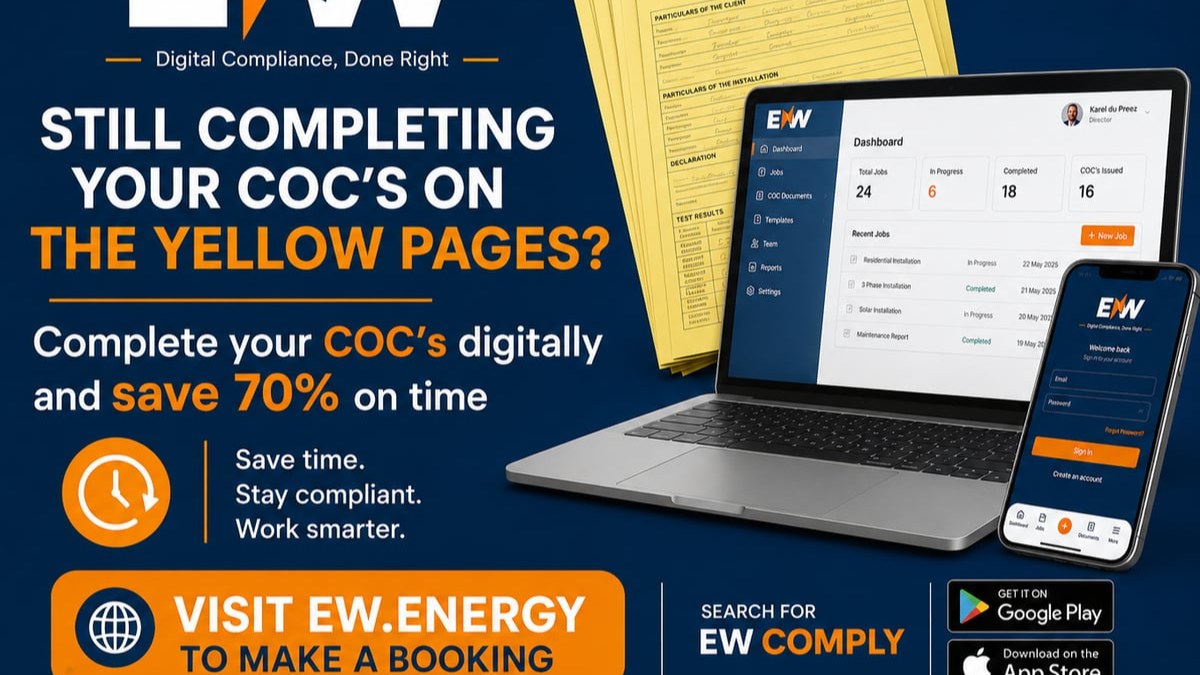
Team collaboration features prove particularly valuable during this transition. The Energy Warehouse platform exemplifies how digital tools enhance teamwork through on-job commenting systems that keep all stakeholders informed without creating separate communication channels. Comments, images, and videos remain securely stored in the cloud, eliminating the need for external messaging applications.
Managing the Transition Process
Successfully adopting a change app requires thoughtful planning and execution:
- Assess current workflows to identify bottlenecks and inefficiencies
- Select relevant features that address specific pain points
- Pilot with a small team to refine processes before full rollout
- Provide comprehensive training ensuring all users understand core functionality
- Gather feedback regularly to optimise usage and address concerns
- Scale gradually expanding to additional teams as confidence grows
This structured approach minimises disruption whilst maximising adoption rates. Research into change-targeted testing methodologies highlights the importance of systematic implementation when introducing new digital tools.
Security and Compliance Considerations
Digital transformation introduces legitimate security concerns, particularly when handling sensitive compliance documentation. A robust change app addresses these concerns through multiple layers of protection, ensuring data integrity whilst maintaining accessibility.
Biometric security represents a significant advancement in digital authentication. Modern platforms incorporate fingerprint and facial recognition technologies that verify user identity more reliably than traditional passwords. For electricians managing digital certificates of compliance, these security features ensure only authorised personnel can access or modify critical documents.
Data Protection Framework
Encryption standards protect data both in transit and at rest, preventing unauthorised access even if devices are compromised. Cloud storage providers implement redundant backup systems, ensuring documentation remains accessible even during hardware failures or natural disasters.
Audit trails automatically record every interaction with documents, creating a comprehensive history of modifications, signatures, and sharing activities. This transparency proves invaluable during regulatory inspections or dispute resolution.
Access controls allow administrators to define precise permission levels, ensuring team members only access information relevant to their roles. This granular control reduces security risks whilst maintaining operational flexibility.
The importance of robust security measures continues to grow as digital adoption accelerates. Professionals can explore biometric signature capabilities to understand how these technologies enhance document authentication.

Mobile Accessibility and Field Operations
The true value of a change app emerges in field operations where professionals need immediate access to information and documentation tools. Mobile accessibility transforms smartphones and tablets into powerful workstations, eliminating the need to return to office locations for administrative tasks.
Offline functionality proves critical in environments with unreliable connectivity. Electricians working in remote locations or buildings with poor signal strength can continue capturing data, creating documents, and even collecting signatures without internet access. Once connectivity resumes, the application automatically synchronises all changes to the cloud.
Real-World Application Scenarios
Consider an electrician conducting a compliance inspection at a construction site. Using a change app, they can:
- Photograph installation details directly within the platform, automatically attaching images to the relevant documentation
- Record voice notes describing observations that convert to text for inclusion in reports
- Access previous job history to reference earlier work at the same location
- Generate certificates on-site reducing the time between inspection completion and document delivery
- Collect digital signatures from clients using their mobile device
These capabilities compress timelines that previously spanned days into hours or even minutes. The Google Play Store listing showcases how mobile-first applications cater specifically to professionals working outside traditional office environments.
Cost Implications and Return on Investment
Evaluating a change app requires understanding both direct costs and broader financial implications. Subscription fees represent the visible expense, but the true value emerges from efficiency gains, error reduction, and competitive advantages.
| Cost Factor | Traditional Approach | Change App Approach | Annual Savings |
|---|---|---|---|
| Paper and printing | £1,200 | £100 | £1,100 |
| Storage space | £800 | £0 | £800 |
| Document retrieval time | £2,400 | £300 | £2,100 |
| Error corrections | £1,500 | £200 | £1,300 |
| Total | £5,900 | £600 | £5,300 |
Beyond these direct savings, digital platforms enable businesses to accept more projects by reducing administrative overhead. The time saved on documentation allows electricians to focus on revenue-generating activities rather than paperwork.
Hidden Benefits
Improved cash flow represents an often-overlooked advantage. Faster document creation and delivery accelerates payment cycles, reducing the gap between job completion and invoice settlement. Clients appreciate receiving professional, accurate documentation promptly, enhancing overall satisfaction and referral likelihood.
Professional credibility increases when businesses demonstrate technological competence. Clients increasingly expect service providers to offer modern, efficient processes. A digital-first approach positions businesses as forward-thinking and reliable.
Customisation and Scalability
Effective change applications adapt to diverse business requirements rather than forcing users into rigid workflows. Template customisation allows professionals to create documentation that reflects their specific needs whilst maintaining compliance with regulatory standards.
As businesses grow, their tools must scale accordingly. Cloud-based platforms accommodate expanding teams without requiring significant infrastructure investments. Adding users, increasing storage capacity, or accessing advanced features typically involves simple subscription adjustments rather than complex technical implementations.
Template Management Strategies
Creating effective templates requires balancing comprehensiveness with usability:
- Start with regulatory requirements ensuring all mandatory fields appear in appropriate sections
- Add company-specific elements such as branding, standard disclaimers, and service descriptions
- Include conditional logic that displays relevant sections based on job type or client requirements
- Test thoroughly with actual job data before deploying to the entire team
- Refine continuously based on user feedback and regulatory updates
This iterative approach ensures templates evolve alongside business needs. Platforms that facilitate easy template modification provide greater long-term value than those requiring developer intervention for changes.
Integration with Broader Digital Ecosystems
A change app functions most effectively when integrated with other business systems. Accounting software integration automatically generates invoices from completed compliance certificates, eliminating duplicate data entry. Customer relationship management systems can track project history, providing valuable context for future engagements.
API availability enables custom integrations tailored to specific business requirements. Larger organisations might connect change applications to inventory management systems, scheduling tools, or business intelligence platforms. This interconnectedness creates a comprehensive digital ecosystem where information flows seamlessly between systems.
Third-Party Connections
Many professionals already use specialised tools for various aspects of their business. Rather than replacing these entirely, effective change applications complement existing solutions:
Financial management platforms like those offered by FindChange demonstrate how digital tools can address specific business challenges whilst integrating with broader workflows.
Document signing applications can work alongside change apps to provide additional authentication options when required by specific clients or regulations.
Communication platforms integrate with change apps to notify stakeholders when documents require attention or approvals.
This ecosystem approach maximises the value of existing technology investments whilst adding new capabilities through the change app.
User Experience and Adoption Factors
The most feature-rich change app fails if users find it frustrating or confusing. Interface design, learning curve, and ongoing support significantly impact adoption rates and long-term satisfaction.
Intuitive navigation reduces training requirements, allowing new users to become productive quickly. Visual consistency across mobile and web interfaces minimises confusion when switching between devices. Clear labelling and logical information architecture help users locate required features without extensive searching.
Support and Training Resources
Comprehensive onboarding sets the foundation for successful adoption:
- Interactive tutorials that guide users through core workflows
- Video demonstrations showing real-world application scenarios
- Searchable knowledge bases providing answers to common questions
- Responsive customer support addressing unique challenges promptly
- Regular update communications keeping users informed about new features
Businesses considering a change app should evaluate these support offerings alongside technical features. Even the most powerful platform delivers limited value if users struggle to access its capabilities.
Regulatory Compliance and Industry Standards
Digital compliance documentation must meet the same regulatory standards as traditional paper-based approaches. A reliable change app incorporates these requirements directly into its design, preventing non-compliant documents from being created.
For South African electricians, SANS 10142-1 compliance isn't optional. The regulation specifies exact information requirements, signature protocols, and retention policies. Digital platforms that understand these nuances provide built-in validation, flagging missing information or incorrect formatting before documents are finalised.
Audit Readiness
Regulatory inspections require businesses to produce comprehensive documentation demonstrating compliance over extended periods. Change applications with robust search and filtering capabilities simplify this process:
- Date range filtering quickly locates all certificates issued during specific periods
- Client-based searches retrieve complete project histories for individual customers
- Tag systems categorise documents by installation type, inspector, or custom criteria
- Export functionality generates reports summarising compliance activities
This audit readiness provides peace of mind whilst reducing the stress associated with regulatory reviews. Understanding application features for document signing helps professionals evaluate which platforms offer the most comprehensive compliance support.

Future Developments in Change Applications
The evolution of change applications continues accelerating as artificial intelligence, machine learning, and advanced automation capabilities mature. Future platforms will likely incorporate predictive analytics, automatically identifying potential compliance issues before they occur.
Voice interaction improvements will enable hands-free operation beyond simple dictation. Professionals might verbally instruct applications to create specific document types, populate information from previous jobs, or schedule follow-up inspections.
Augmented reality integration could overlay compliance information directly onto physical installations, helping electricians verify correct implementation during inspections. This real-time verification reduces errors whilst enhancing professional capabilities.
Preparing for Continued Innovation
Businesses adopting change applications today should prioritise platforms committed to ongoing development. Regular feature updates, responsive customer feedback integration, and clear product roadmaps indicate providers invested in long-term value delivery.
The LinkedIn profile of change app providers often reveals their innovation philosophy and development priorities. Companies actively engaging with user communities and industry trends typically deliver more relevant updates.
Measuring Success and Optimisation
Implementing a change app represents just the beginning of digital transformation. Ongoing measurement and optimisation ensure maximum value realisation over time.
Key performance indicators might include:
- Document creation time tracking efficiency improvements
- Error rates measuring quality enhancements
- Client satisfaction scores reflecting service delivery improvements
- Revenue per electrician indicating capacity increases
- Administrative costs demonstrating expense reductions
Regular review of these metrics identifies optimisation opportunities. Perhaps certain template sections consistently require modification, suggesting design improvements. Maybe specific features remain underutilised, indicating training gaps.
Continuous Improvement Cycle
Establishing regular review sessions keeps teams focused on maximising platform value:
Monthly check-ins discuss immediate challenges and quick wins. Quarterly assessments evaluate broader trends and strategic adjustments. Annual reviews consider whether the current platform still meets evolving business needs or if alternative solutions merit exploration.
This structured approach ensures change applications continue delivering value as businesses grow and market conditions shift.
Digital transformation through specialised applications represents a competitive necessity rather than a luxury for modern compliance professionals. The efficiency gains, quality improvements, and client satisfaction enhancements these tools deliver directly impact business success and growth potential. Energy Warehouse provides electricians with a comprehensive digital platform specifically designed for managing SANS 10142-1 compliant Certificates of Compliance, delivering up to 60% faster documentation through intelligent automation, offline capability, and secure cloud storage. Embrace digital efficiency and discover how streamlined compliance processes can transform your electrical business.