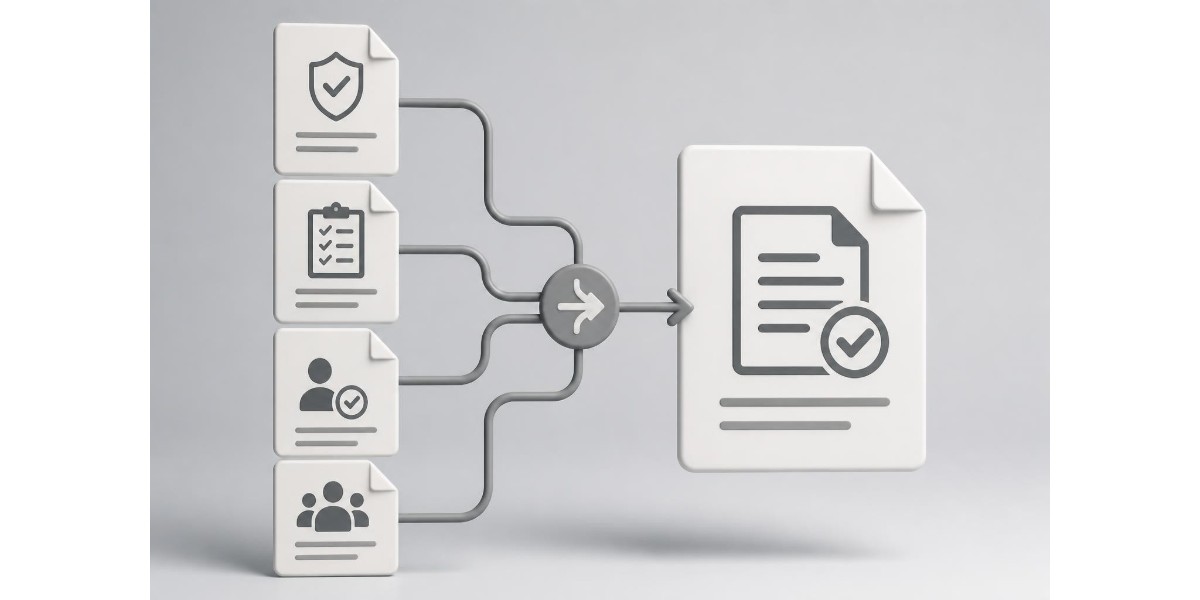
In today's fast-paced electrical compliance environment, electricians face mounting pressure to deliver accurate Certificates of Compliance while managing multiple document types across various projects. The ability to mergedocuments efficiently has become a cornerstone of professional practice, transforming how electrical contractors handle everything from test results to client communications. This capability isn't merely a convenience-it's a fundamental requirement for maintaining competitive advantage whilst ensuring regulatory adherence in an increasingly digital landscape.
Understanding the MergeDocuments Imperative
The electrical compliance sector generates substantial documentation volumes daily. Electricians routinely manage test records, photographs, client correspondence, inspection reports, and compliance certificates, all requiring seamless integration into comprehensive project files.
When professionals mergedocuments effectively, they create cohesive records that tell complete stories about each installation or maintenance activity. This consolidation reduces administrative burden whilst simultaneously improving accuracy and traceability. Rather than searching through disparate files scattered across devices, cloud storage, and email threads, electricians access unified documentation that supports both compliance requirements and business operations.
The Evolution of Document Management
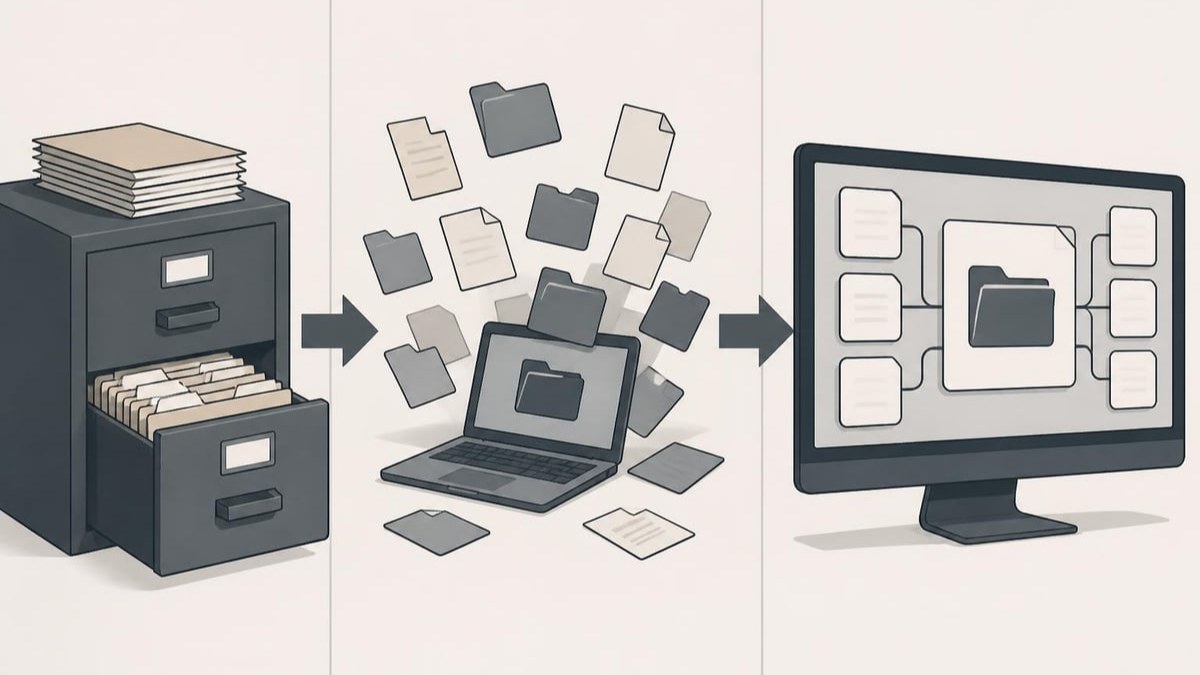
Traditional paper-based systems required physical collation, photocopying, and manual filing. These methods introduced numerous failure points where critical information could be lost, misfiled, or duplicated incorrectly. The transition to digital workflows promised improvement, yet many electricians initially found themselves managing countless individual digital files with minimal organisation.
Modern mergedocuments capabilities address these challenges through intelligent automation and structured processes. Document management best practices emphasise establishing consistent naming conventions and access controls, which become exponentially more valuable when combined with robust merging functionality.
Technical Foundations of MergeDocuments Functionality
Understanding how mergedocuments systems operate reveals why some solutions outperform others. At their core, these systems must handle diverse file formats, maintain document integrity, preserve metadata, and ensure regulatory compliance throughout the merging process.
File Format Compatibility
Professional mergedocuments platforms support multiple input formats whilst delivering standardised outputs. For electrical compliance work, this typically means accepting:
- PDF files containing compliance certificates
- Image files (JPEG, PNG) documenting site conditions
- Word documents with inspection reports
- Spreadsheet data tracking test results
- Digital signature files verifying authenticity
The platform must convert these varied inputs into cohesive final documents without compromising quality or losing critical metadata such as timestamps, author information, or revision histories.
Structural Integrity and Pagination
When systems mergedocuments, maintaining logical structure separates adequate solutions from exceptional ones. Page numbering must update correctly, table of contents should reflect merged content accurately, and cross-references between sections need preservation.
| Feature | Basic Merging | Professional Merging |
|---|---|---|
| Format Support | PDF only | Multiple formats |
| Metadata Preservation | Limited | Comprehensive |
| Automatic Pagination | Basic sequential | Intelligent restructuring |
| Quality Control | Manual verification | Automated validation |
| Batch Processing | Single merge operations | Bulk processing capabilities |
Professional platforms also maintain document provenance, enabling users to identify which source contributed each section within merged outputs. This traceability proves invaluable during audits or when addressing client queries about specific compliance elements.
Strategic Applications in Electrical Compliance
The capacity to mergedocuments transforms numerous aspects of electrical compliance workflows. Understanding these applications helps professionals maximise the technology's value whilst minimising implementation challenges.
Certificate Assembly and Distribution
SANS 10142-1 compliance certificates require supporting documentation including test results, site photographs, and equipment specifications. Rather than sending clients multiple separate files, electricians can mergedocuments into comprehensive packages that present complete compliance records.
This consolidated approach reduces client confusion, decreases the likelihood of missing attachments, and creates professional presentations that enhance business reputation. When clients receive unified documentation, they perceive higher professionalism and organisation, often translating into repeat business and referrals.
Project Documentation Management
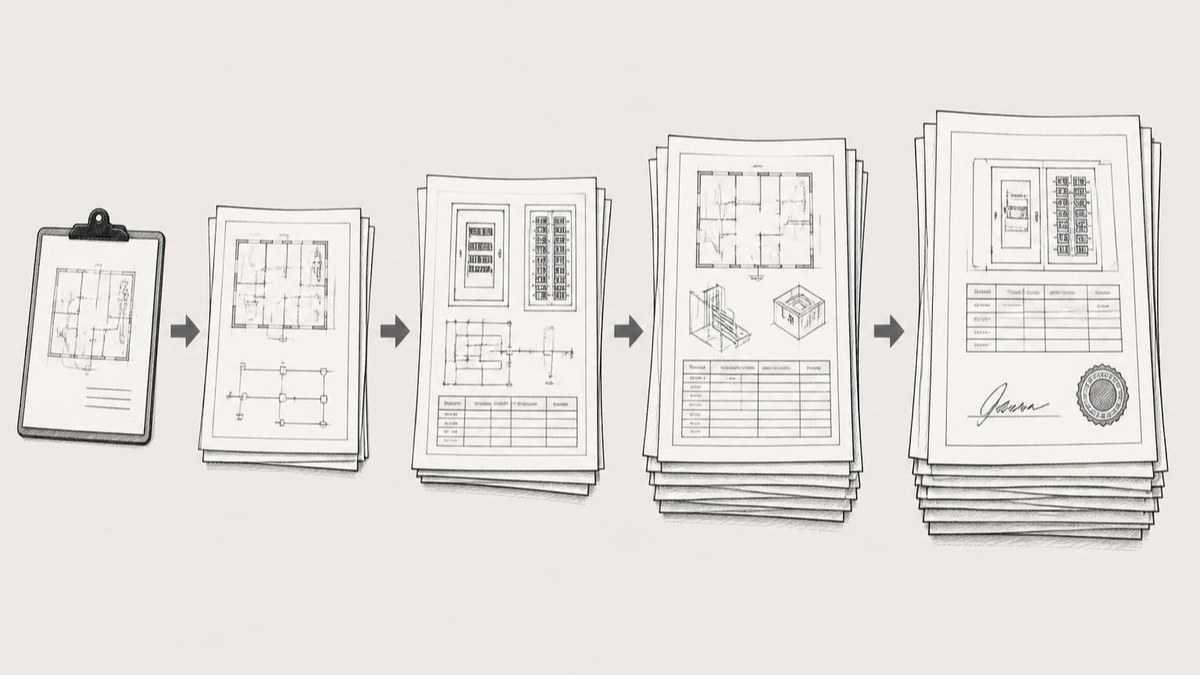
Complex electrical projects accumulate substantial documentation throughout their lifecycles. Initial site surveys, design specifications, material orders, installation photographs, testing records, and final compliance certificates all contribute to project histories.
Cloud-based compliance software enables electricians to progressively mergedocuments as projects advance, maintaining current consolidated records rather than scrambling to assemble documentation at completion. This incremental approach reduces last-minute stress whilst ensuring nothing gets overlooked.
Selecting MergeDocuments Solutions
The marketplace offers numerous tools claiming mergedocuments capabilities, yet their suitability for electrical compliance varies considerably. Evaluation criteria should reflect both technical requirements and practical workflow considerations.
Essential Capabilities
Security and Compliance: Solutions must protect sensitive client information whilst maintaining audit trails. Look for platforms offering encryption, access controls, and compliance with data protection regulations. The ability to mergedocuments securely proves especially critical when handling residential client information or commercial facility data.
Offline Functionality: Electrical work frequently occurs in locations with limited connectivity. Platforms should enable users to mergedocuments offline, synchronising results when connectivity returns. This capability prevents workflow interruptions whilst maintaining documentation continuity.
Mobile Optimisation: Since electricians predominantly work in the field, mergedocuments functionality must operate seamlessly on mobile devices. Touch-optimised interfaces, responsive design, and efficient data usage separate field-ready solutions from desktop-centric alternatives.
Integration Capabilities
Standalone mergedocuments tools require manual data transfers between systems, introducing friction and error opportunities. Integrated platforms that combine mergedocuments functionality with broader compliance management deliver superior efficiency.
For instance, when test result capture, photograph annotation, and certificate generation occur within unified systems, the platform can automatically mergedocuments without manual intervention. This seamless integration eliminates redundant data entry whilst ensuring consistency across all documentation.
Electrical team management software demonstrates how integrated approaches extend beyond individual productivity to enable effective collaboration. Multiple team members can contribute to projects, with the system intelligently managing how their respective inputs mergedocuments into final deliverables.
Implementation Best Practices
Successfully deploying mergedocuments capabilities requires thoughtful planning and systematic execution. These practices help electrical businesses maximise return on investment whilst minimising disruption during transition periods.
Standardisation and Templates
Before implementing mergedocuments workflows, establish standardised templates defining how various document types should combine. Consider these elements:
- Document sequencing: Determine optimal ordering for different document types within merged outputs
- Branding consistency: Ensure headers, footers, and styling remain uniform throughout merged documents
- Metadata standards: Define which information should appear in document properties
- Naming conventions: Establish consistent patterns for merged document filenames
- Quality thresholds: Set minimum resolution and clarity standards for included images
These standards ensure that when team members mergedocuments, results maintain professional consistency regardless of who performed the merging operation.
Training and Change Management
Technology adoption succeeds or fails based on user engagement. When introducing mergedocuments capabilities, focus training on practical benefits rather than technical features. Demonstrate how the functionality saves time, reduces errors, and improves client satisfaction.
Identify early adopters within your team who can champion the technology and support colleagues during initial implementation phases. Their practical insights and peer support typically prove more persuasive than management directives.
Advanced MergeDocuments Strategies
Beyond basic document consolidation, sophisticated approaches to mergedocuments unlock additional value for electrical compliance businesses. These advanced strategies require more initial investment but deliver substantial long-term benefits.
Intelligent Automation
Modern platforms can automatically mergedocuments based on predefined rules and triggers. For example, systems might automatically consolidate all documentation associated with specific projects when electricians mark jobs complete, generating comprehensive packages ready for client delivery without manual intervention.
Research into structured merge tools demonstrates how intelligent systems can preserve formatting whilst improving merge performance, principles applicable beyond software code to compliance documentation.
Dynamic Content Assembly
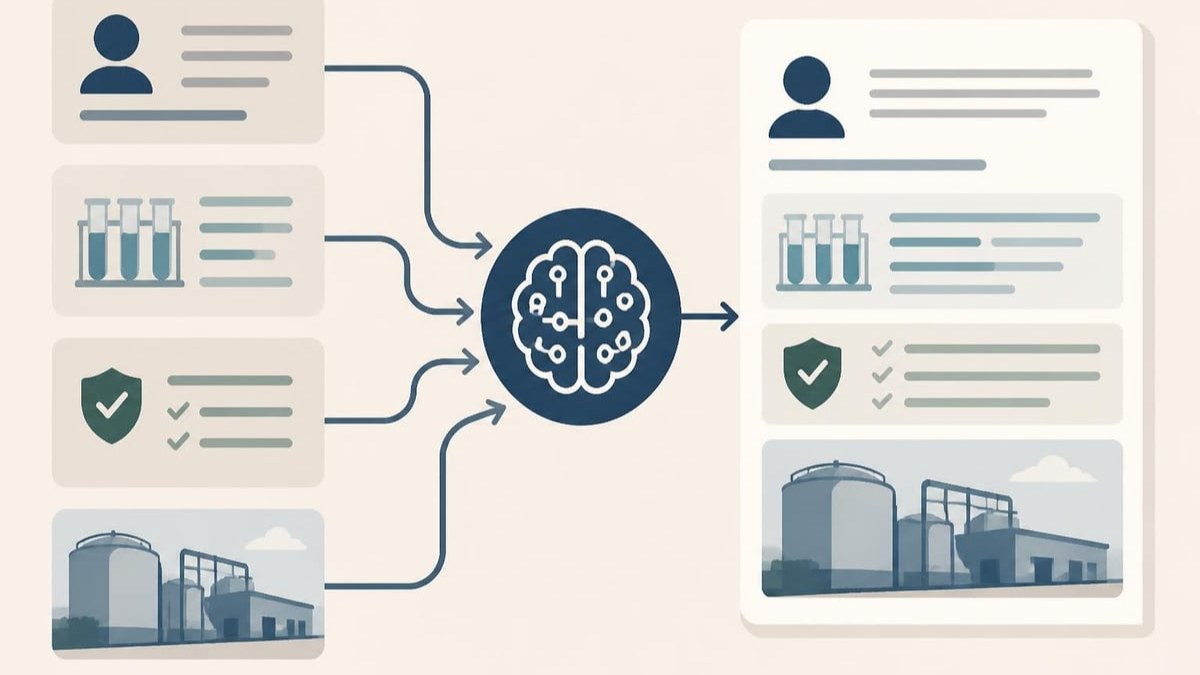
Rather than simply concatenating static documents, advanced systems mergedocuments dynamically, pulling relevant information from databases to create customised outputs. This approach enables electricians to generate client-specific documentation incorporating standard compliance elements alongside project-specific details.
For instance, a merged certificate package might automatically include:
- Client contact information from the customer database
- Site-specific test results from the inspection record
- Standard compliance declarations from template libraries
- Relevant photographs from the project image repository
- Electrician credentials from the team member profile
This dynamic assembly ensures accuracy whilst dramatically reducing preparation time.
Version Control and Revision Management
Professional mergedocuments systems track document versions, enabling electricians to regenerate historical merged outputs or understand how documentation evolved throughout project lifecycles. This capability proves invaluable when addressing queries about previous work or demonstrating compliance with standards applicable at specific points in time.
Measuring MergeDocuments Success
Implementing new capabilities without measuring outcomes risks missing optimisation opportunities. These metrics help electrical businesses quantify mergedocuments benefits and identify improvement areas.
Time Efficiency Metrics
Track how long document preparation consumed before and after implementing mergedocuments capabilities. Measure both:
- Active time: Hours staff spend manually assembling documents
- Elapsed time: Days between job completion and final documentation delivery
Effective mergedocuments implementation typically reduces active time by 40-60% whilst cutting elapsed time even more dramatically by enabling same-day documentation completion.
Quality Indicators
Monitor error rates in merged documentation, tracking issues such as:
- Missing attachments or incomplete documentation sets
- Incorrect document sequencing or labelling
- Quality problems with included images
- Metadata errors or inconsistencies
Quality improvements often manifest gradually as teams refine templates and standardise processes, so track trends over quarters rather than expecting immediate perfection.
Client Satisfaction Measures
Survey clients about documentation quality and professionalism. Questions might address:
- Clarity and completeness of received documentation
- Ease of navigating merged document packages
- Professionalism of presentation
- Timeliness of documentation delivery
Positive client feedback validates mergedocuments investments whilst negative responses highlight specific improvement opportunities.
Regulatory Compliance Considerations
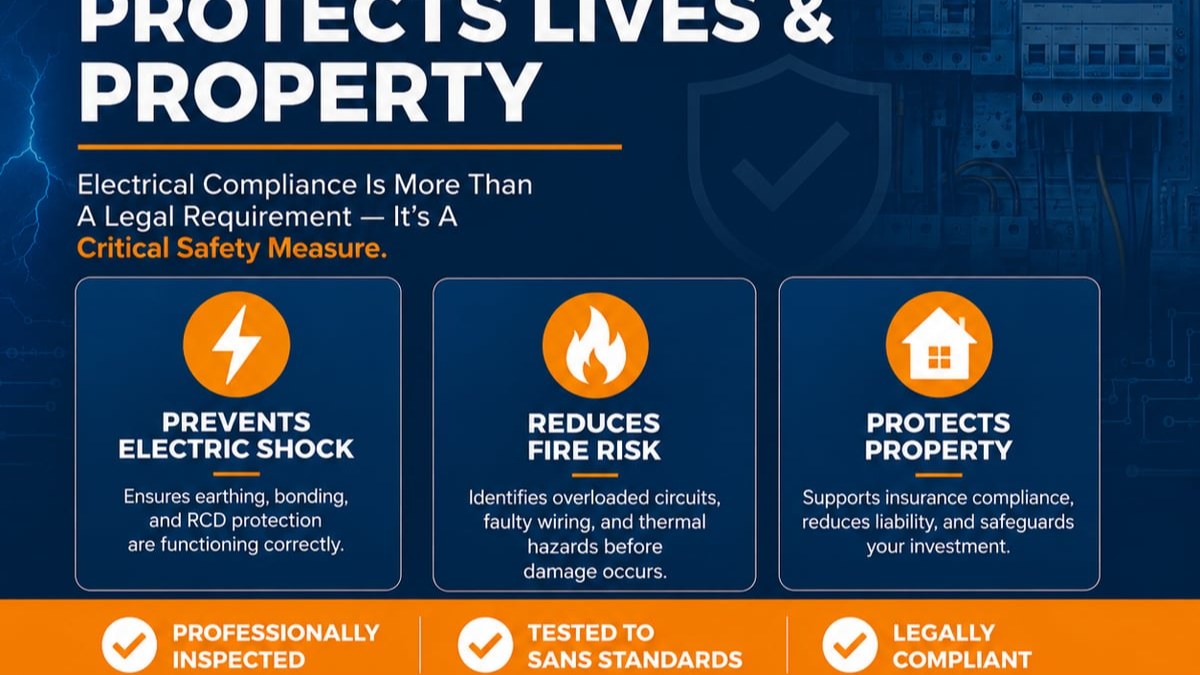
When electrical compliance professionals mergedocuments, they must ensure merged outputs meet all regulatory requirements applicable to individual components. This consideration proves particularly important for Certificates of Compliance and supporting documentation.
Maintaining Signature Validity
Digital signatures can become invalidated during document manipulation. Professional mergedocuments systems preserve signature validity throughout the merging process, maintaining cryptographic integrity that proves document authenticity and prevents unauthorised modifications.
Biometric signature capabilities represent the latest advancement in this area, providing even stronger authentication that survives document merging whilst offering superior security compared to traditional digital signatures.
Audit Trail Preservation
Regulatory compliance often requires demonstrating when documents were created, who authored them, and what modifications occurred. When systems mergedocuments, they must maintain these audit trails for each component whilst adding appropriate metadata about the merging operation itself.
This comprehensive documentation enables electricians to prove compliance during audits, respond to liability claims, and verify work quality for insurance purposes.
Platform Ecosystem Integration
MergeDocuments functionality delivers maximum value when integrated within broader business systems. Rather than operating as isolated tools, effective platforms connect document merging with customer relationship management, project tracking, invoicing, and team collaboration.
Team collaboration features exemplify this integration, enabling multiple team members to contribute to projects whilst the platform automatically manages how their inputs mergedocuments into final deliverables. Comments, images, and technical data all flow seamlessly into consolidated documentation without manual intervention.
When electricians can mergedocuments directly within their primary workflow platform, they eliminate context switching, reduce data duplication, and minimise opportunities for errors or omissions. This unified approach transforms document merging from a periodic administrative task into an automatic byproduct of normal project execution.
The Energy Warehouse platform demonstrates this integrated approach, combining certificate creation, test result capture, photograph management, and document merging within a cohesive system designed specifically for electrical compliance workflows. Rather than learning separate tools for each function, electricians work within a unified environment where mergedocuments capabilities operate seamlessly alongside other essential features.
Future Trends in MergeDocuments Technology
The evolution of mergedocuments capabilities continues accelerating, driven by artificial intelligence, cloud computing advances, and changing regulatory requirements. Understanding emerging trends helps electrical businesses prepare for upcoming opportunities and challenges.
AI-Powered Quality Assurance
Artificial intelligence systems increasingly assist with document quality verification, automatically checking merged outputs for completeness, consistency, and compliance. These systems can identify missing signatures, flag inconsistent data between sections, and verify that all required elements appear in merged documents.
Enhanced Mobile Capabilities
As mobile devices grow more powerful, the distinction between desktop and mobile mergedocuments capabilities diminishes. Electricians increasingly handle complete workflows, including sophisticated document merging, directly from smartphones and tablets without requiring desktop computers.
Blockchain Integration
Emerging solutions explore blockchain technology for tamper-proof documentation trails. When systems mergedocuments, blockchain records can verify that merged outputs accurately represent source materials without unauthorised modifications, providing unprecedented assurance for regulatory compliance and liability protection.
| Trend | Current Status (2026) | Impact on Electrical Compliance |
|---|---|---|
| AI Quality Assurance | Early adoption phase | Reduces errors, improves consistency |
| Mobile Parity | Mainstream implementation | Enables complete field workflows |
| Blockchain Verification | Pilot programmes | Enhances audit trails, reduces disputes |
| Voice-Controlled Merging | Experimental development | Hands-free documentation assembly |
| Augmented Reality Integration | Concept exploration | Site-context document creation |
Cost-Benefit Analysis
Investing in professional mergedocuments capabilities requires upfront expenditure and implementation effort. Understanding both costs and benefits enables informed decision-making about which solutions justify investment for specific business contexts.
Direct Cost Savings
Time savings translate directly into cost reductions. When electricians spend less time on documentation assembly, they complete more billable work or reduce overtime expenses. Even modest efficiency gains compound substantially across teams and extended timeframes.
Calculate potential savings by multiplying hours currently spent on document preparation by your loaded hourly labour cost, then applying expected efficiency improvements. Most businesses find that professional mergedocuments platforms pay for themselves within months through time savings alone.
Indirect Value Creation
Beyond direct cost savings, effective mergedocuments capabilities generate additional value through:
- Reduced error correction: Fewer mistakes mean less time fixing documentation problems
- Improved client retention: Professional documentation enhances satisfaction and loyalty
- Faster payment cycles: Complete, clear documentation accelerates client payment processing
- Competitive differentiation: Superior documentation quality distinguishes your business from competitors
These indirect benefits often exceed direct savings but prove harder to quantify precisely. Track changes in client retention rates, payment timing, and new business acquisition to estimate these additional returns.
Overcoming Implementation Challenges
Deploying mergedocuments capabilities rarely proceeds without obstacles. Anticipating common challenges and preparing mitigation strategies improves implementation success rates.
Resistance to Change
Team members accustomed to existing processes may resist new mergedocuments workflows, particularly if they've developed efficient manual methods. Address this resistance through:
- Involving team members in solution selection
- Highlighting personal benefits alongside business advantages
- Providing comprehensive training and ongoing support
- Celebrating early wins and success stories
- Maintaining patience during the adjustment period
Change management proves as critical as technical implementation for successful mergedocuments adoption.
Data Migration Complexity
Transitioning historical documentation into new mergedocuments systems can prove challenging, particularly for businesses with extensive archives. Prioritise migration efforts by focusing first on active projects and frequently referenced materials, allowing less critical historical data to migrate gradually or remain in legacy systems.
Comprehensive guides on PDF merging software provide insights into selecting tools with robust import capabilities that simplify migration processes.
System Integration Hurdles
Connecting mergedocuments platforms with existing business systems sometimes encounters technical obstacles. Work with vendors who provide robust APIs, integration support, and documented workflows for common integration scenarios. Consider phased implementation that initially operates the mergedocuments system semi-independently before pursuing deeper integration.
Mastering mergedocuments capabilities represents a fundamental shift in how electrical compliance professionals manage documentation, transforming time-consuming administrative burdens into streamlined automated processes. By implementing robust platforms, establishing clear standards, and continuously refining workflows, electricians can dramatically improve efficiency whilst enhancing documentation quality and client satisfaction. Energy Warehouse delivers exactly this transformation through an integrated platform specifically designed for electrical compliance, combining certificate creation, test result management, and intelligent document merging in a unified system that helps electricians complete jobs up to 60% faster whilst maintaining rigorous SANS 10142-1 compliance standards.