
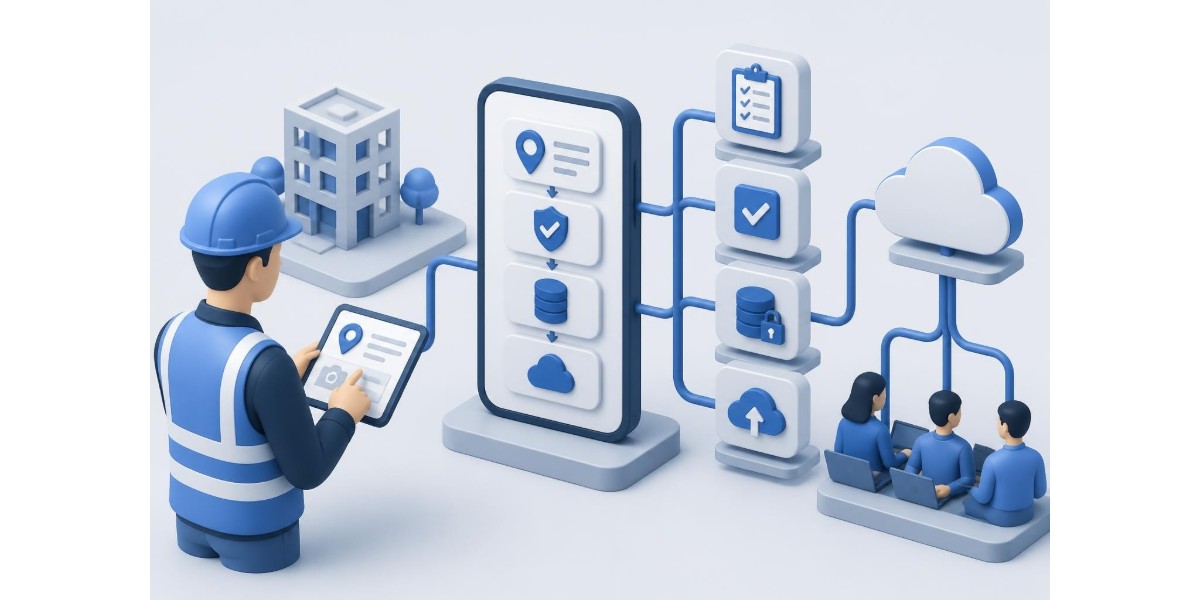
Modern compliance and field operations demand more than clipboards and paper forms. An effective application for data collection transforms how professionals capture, validate, and manage critical information on site. For electricians managing SANS 10142-1 compliance documentation, the right digital tools turn hours of manual data entry into minutes of streamlined capture whilst maintaining accuracy and regulatory integrity. This shift from analogue to digital collection methods delivers measurable improvements in efficiency, data quality, and operational oversight across electrical contracting businesses.
Why Traditional Data Collection Methods Fail Modern Professionals
Paper-based data collection introduces systematic risks that compound across every job. Handwritten forms suffer from illegibility, missing fields, and transcription errors when transferred to digital systems later. Weather damage, loss, and physical degradation threaten record integrity before documents reach the office.
The inefficiency multiplies when you consider duplicate entry. Field technicians record information on site, then administrative staff re-enter the same data into computer systems. This double-handling wastes hours weekly whilst introducing new opportunities for mistakes.
Compliance risks escalate with manual methods:
- Missing mandatory fields discovered only after leaving the site
- Inconsistent formatting across team members
- No real-time validation of entered values
- Delayed submission to regulatory bodies
- Difficulty retrieving historical records
An application for data collection addresses these fundamental weaknesses through structured capture, instant validation, and centralised storage that serves both operational and compliance needs.
Core Features That Define Effective Data Collection Applications
The most capable data collection platforms share essential characteristics that distinguish them from basic form builders or note-taking apps. Understanding these features helps professionals select tools that genuinely improve workflows rather than simply digitising existing inefficiencies.
Structured Data Capture with Validation
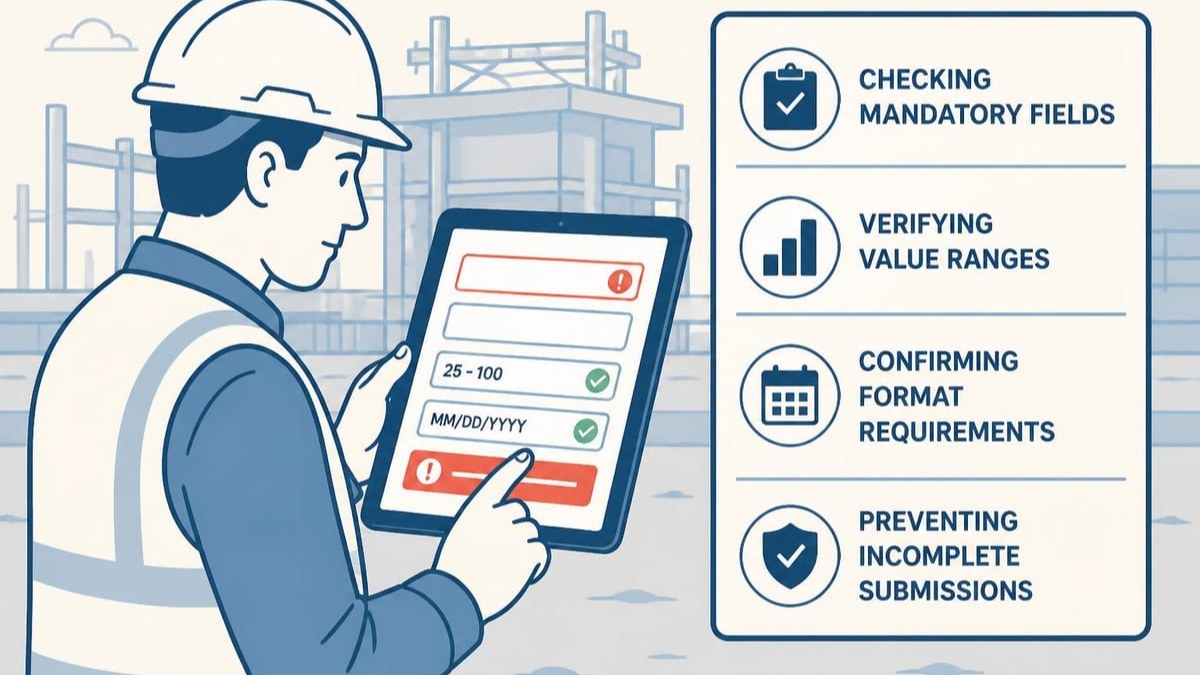
Quality applications enforce data structure from the moment of entry. Drop-down menus, date pickers, and number-specific fields prevent format inconsistencies whilst reducing entry time. Pre-populated options based on previous jobs accelerate repeat tasks without sacrificing accuracy.
Real-time validation catches errors immediately. An application for data collection should flag missing required fields, out-of-range values, or format mismatches before the user moves forward. This front-line quality control eliminates the discovery of incomplete records hours or days later.
| Validation Type | Purpose | Example Use Case |
|---|---|---|
| Required fields | Ensure completeness | Client name, installation address, test results |
| Format checks | Maintain consistency | Email addresses, phone numbers, certificate numbers |
| Range validation | Prevent impossible values | Voltage readings, earth resistance measurements |
| Conditional logic | Context-specific requirements | Additional fields appear based on installation type |
| Cross-field verification | Relationship rules | Total circuits matches individual circuit entries |
Offline Capability and Synchronisation
Field environments rarely guarantee reliable connectivity. An effective application for data collection must function completely when offline, storing data locally until network access resumes. This offline-first architecture prevents lost work and eliminates the frustration of connectivity-dependent tools.
Android's official guidance on offline-first architecture outlines design patterns that ensure data integrity during sync operations. The best implementations handle conflict resolution intelligently when multiple users edit shared records whilst disconnected.
When implementing offline capability, consider these synchronisation strategies for mobile applications that balance data freshness against bandwidth constraints and conflict potential. Electricians working across multiple sites daily need confidence that their morning's work syncs seamlessly with afternoon updates.
Security and Access Control
Data collection applications handle sensitive information: client details, installation specifics, test results, and compliance documentation. Robust security measures protect this information throughout its lifecycle.
- End-to-end encryption for data in transit and at rest
- Biometric authentication to prevent unauthorised access
- Role-based permissions controlling who views or edits specific records
- Audit trails documenting all access and modifications
- Secure cloud storage with geographic redundancy
The OWASP Mobile Application Security standards provide comprehensive guidance on implementing these protections. Electricians sharing certificates with clients and inspectors must ensure their chosen application for data collection meets industry security benchmarks.
Compliance Considerations for Data Collection Applications
Regulatory frameworks increasingly govern how businesses collect, process, and store information. An application for data collection must align with both industry-specific requirements and broader data protection legislation.
GDPR and Privacy Framework Alignment
For businesses operating within or serving European markets, GDPR compliance governs personal data handling. The European Commission's reports on GDPR application highlight enforcement trends that directly impact mobile data collection practices.
Key GDPR principles for data collection apps:
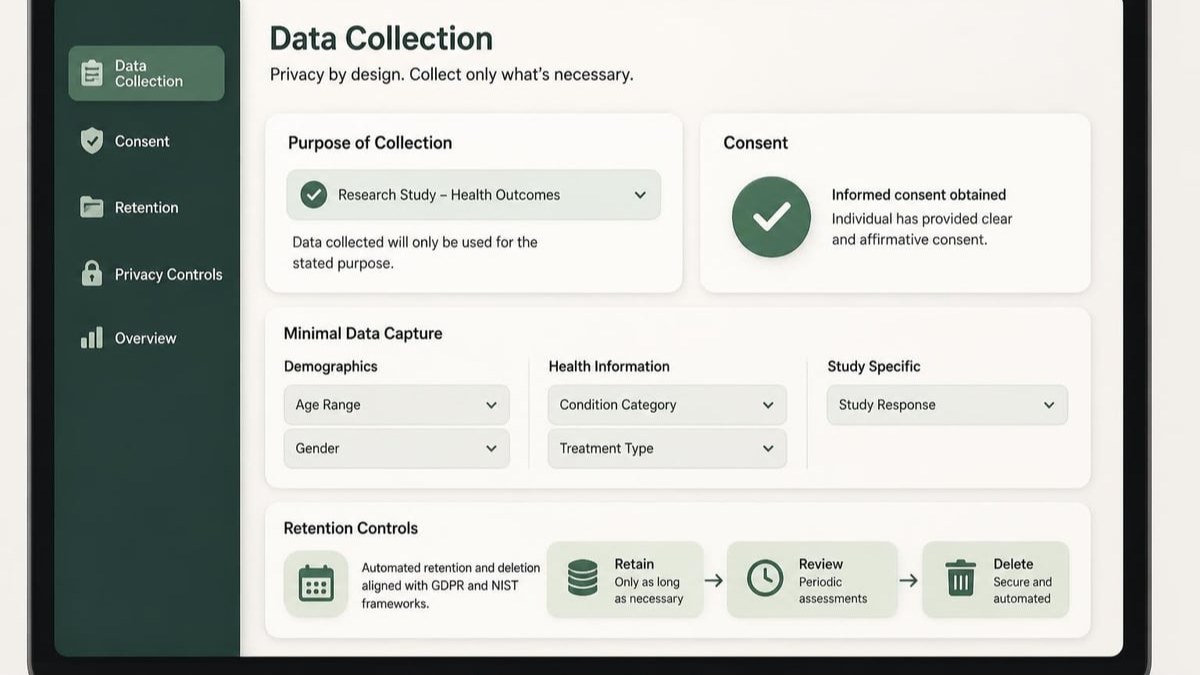
- Purpose limitation – Collect only data necessary for specified purposes
- Data minimisation – Avoid capturing superfluous information
- Accuracy – Implement validation to maintain data quality
- Storage limitation – Define and enforce retention periods
- Integrity and confidentiality – Secure data throughout processing
The NIST Privacy Framework offers practical implementation guidance for organisations building privacy-preserving data collection systems. These frameworks inform how electricians should configure client information capture, consent workflows, and data retention policies within their applications.
France's data protection authority provides specific recommendations for mobile applications that collect personal data. Transparency about what data you collect, how you use it, and who accesses it builds client trust whilst satisfying regulatory requirements.
Industry-Specific Compliance Requirements
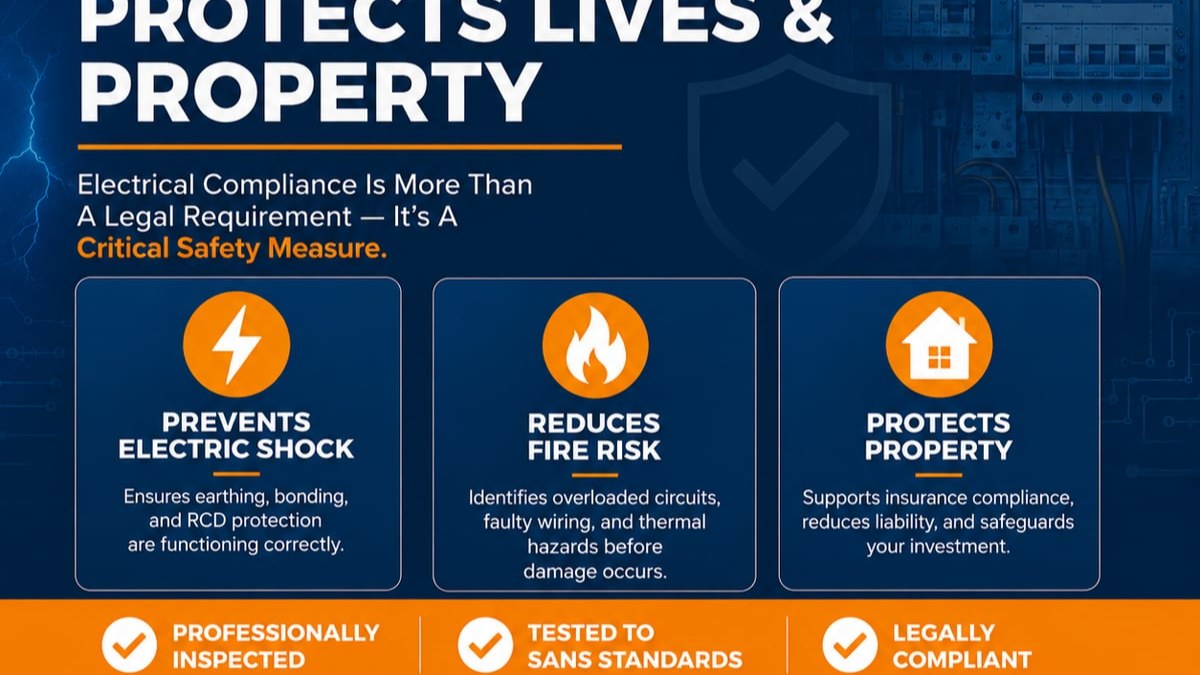
Beyond general data protection, sector-specific regulations shape data collection requirements. Electrical contractors must maintain records that satisfy SANS 10142-1 standards for Certificates of Compliance. An application for data collection should embed these requirements directly into capture workflows.
Digital compliance platforms can enforce mandatory fields, calculation accuracy, and documentation completeness that paper systems cannot guarantee. When every certificate follows identical structure and validation rules, audit readiness improves dramatically.
Energy Warehouse exemplifies this sector-specific approach by building SANS 10142-1 compliance directly into its data capture workflows. The platform ensures electricians never submit incomplete documentation whilst accelerating completion through intelligent forms and pre-populated options. Energy Warehouse transforms compliance from a paperwork burden into a streamlined digital process that saves time on every job.
Operational Benefits Across Field Service Workflows
The value of an application for data collection extends beyond compliance into daily operational efficiency. Teams equipped with purpose-built tools complete more jobs with higher quality whilst reducing administrative overhead.
Time Savings Through Automation
Manual documentation consumes substantial productive time. Writing information by hand, photographing completed forms, transferring data to office systems, and filing physical copies adds non-billable hours to every job. Digital collection eliminates this redundant handling.
Modern platforms offer voice-to-text capability that captures installation notes without typing. Template systems populate recurring information automatically. Calculation fields derive values from entered measurements, eliminating manual arithmetic and reducing errors.
| Task | Manual Method | Digital Application | Time Saved |
|---|---|---|---|
| Complete CoC form | 45-60 minutes | 15-25 minutes | 30-35 minutes |
| Photograph and attach test results | 10-15 minutes | 2-3 minutes | 8-12 minutes |
| Calculate total circuits and loads | 5-10 minutes | Automatic | 5-10 minutes |
| File and store documentation | 15-20 minutes | Automatic sync | 15-20 minutes |
| Retrieve previous job records | 10-30 minutes | Instant search | 10-30 minutes |
These time savings compound across hundreds of annual jobs. An electrician completing twenty certificates monthly reclaims approximately 15-20 hours through application-based data collection.
Enhanced Team Collaboration and Visibility
Multi-person electrical contracting businesses benefit enormously from centralised data collection. When every team member uses the same application for data collection, supervisors gain real-time visibility into job progress, completed work, and pending items without phone calls or text message updates.
Team collaboration features enable assistants and apprentices to contribute field observations, photographs, and measurements directly into shared job records. Senior electricians review and approve work remotely, accelerating completion without requiring physical presence on every site.
Cloud synchronisation means office administrators access current job information immediately. They can prepare invoices, schedule follow-up work, and respond to client enquiries using live data rather than waiting for completed paperwork to arrive days later.
Data Quality and Audit Trail
Paper records offer no insight into when information was captured or by whom. Digital applications timestamp every entry and associate it with the authenticated user. This audit trail proves invaluable during inspections, disputes, or quality reviews.
The World Bank's tools for data quality assurance provide frameworks applicable beyond survey contexts. Field data collection benefits from similar quality controls: validation at entry, supervisor review workflows, and statistical consistency checks across jobs.
An effective application for data collection makes quality visible. Managers can identify team members who consistently miss fields, take insufficient photographs, or record implausible measurements. Targeted training improves overall data reliability across the organisation.
Implementation Strategies for Adopting Data Collection Applications
Transitioning from established methods to new technology requires thoughtful planning. Successful implementations balance capability with usability whilst managing change across teams with varying technical comfort levels.
Evaluating Application Options
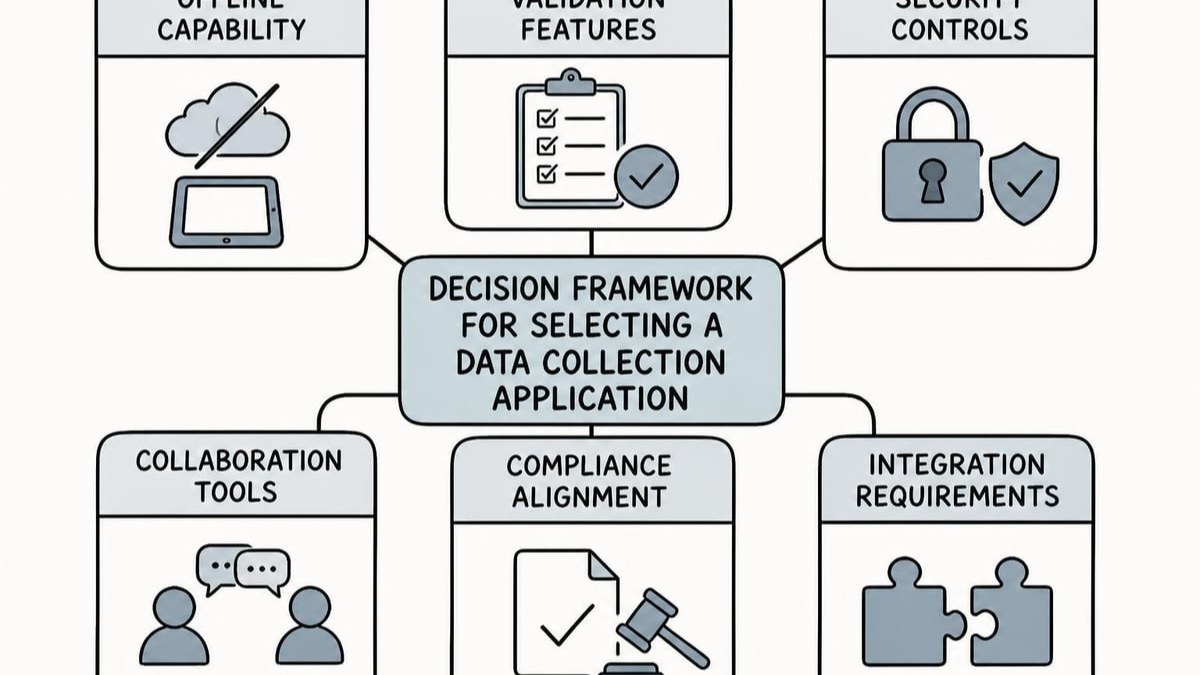
The market offers numerous data collection platforms ranging from generic form builders to industry-specific compliance tools. Selecting the right application requires evaluating features against actual workflow requirements.
Essential evaluation criteria:
- Does it work offline in areas with poor connectivity?
- Can it capture all required data types (text, numbers, images, signatures)?
- Does validation prevent submission of incomplete records?
- How does it handle secure storage and client data protection?
- Can multiple team members collaborate on shared jobs?
- Does it integrate with existing invoicing or accounting systems?
- What is the total cost including per-user licensing and storage?
Industry-specific platforms often deliver better value than customising generic tools. Purpose-built applications embed domain knowledge into workflows, reducing configuration effort whilst ensuring compliance with sector regulations.
Training and Adoption Planning
Technology succeeds only when users embrace it. Implementation planning should address the human factors that determine adoption rates.
- Pilot with enthusiastic early adopters who provide feedback before full rollout
- Develop role-specific training focused on daily tasks rather than comprehensive features
- Create quick-reference guides for common scenarios and troubleshooting
- Establish support channels where users can ask questions and share tips
- Celebrate early wins by highlighting time savings and quality improvements
Expect a transition period where paper and digital methods run parallel. Forcing immediate cutover creates resistance and stress. Gradual migration with visible success builds confidence and momentum.
Mobile Security Best Practices
Field devices containing sensitive client data require robust security protocols. The OWASP Mobile Top 10 security risks identify vulnerabilities that data collection applications must address.
Practical security measures for field teams:
- Require biometric unlock or strong passwords on all devices
- Enable remote wipe capability for lost or stolen equipment
- Restrict personal app installation on work devices
- Configure automatic updates for operating systems and applications
- Train staff to recognise phishing attempts and suspicious communications
- Implement mobile device management for centralised policy enforcement
An application for data collection is only as secure as the devices running it. Comprehensive security thinking encompasses technology, policy, and user behaviour.
Integration with Broader Business Systems
Data collection delivers maximum value when it feeds directly into downstream business processes. Isolated applications that require manual export and import into other systems perpetuate inefficiency.
Document Generation and Distribution
Captured data should automatically populate professional documentation without retyping. Certificate generation pulls validated field data into compliant templates, applying calculations and formatting consistently across all outputs.
Digital signature capability enables client sign-off on site using mobile devices. This eliminates return visits to collect signatures whilst providing legally valid approval documentation. Applications for signing documents streamline approval workflows that previously required printing, manual signature, scanning, and filing.
Distribution becomes instant. Completed certificates reach clients, inspectors, and internal records through automated email or messaging directly from the application for data collection. This immediacy improves client experience whilst ensuring all parties have current documentation.
Reporting and Analytics
Aggregated data collection reveals operational patterns invisible in paper systems. Business intelligence dashboards answer questions that manual record review cannot address at scale.
- Which job types consume the most time relative to revenue?
- Where do validation errors occur most frequently?
- How does completion speed vary across team members?
- What seasonal patterns affect workload and resource requirements?
- Which clients generate the most repeat work?
These insights inform training priorities, pricing adjustments, and capacity planning. An application for data collection transforms compliance documentation into strategic business intelligence.
Future Trends Shaping Data Collection Technology
The evolution of data collection applications continues as complementary technologies mature. Forward-looking businesses monitor emerging capabilities that will reshape field operations.
Artificial Intelligence and Automated Validation
Machine learning models increasingly detect anomalies and suggest corrections in real-time. An AI-enhanced application for data collection might flag a resistance measurement inconsistent with similar installations, prompting verification before submission.
Natural language processing improves voice-to-text accuracy for technical terminology. Image recognition could auto-populate equipment details from photographed nameplates, eliminating manual typing whilst ensuring accuracy.
Internet of Things Integration
Connected test equipment that transmits measurements directly into collection applications eliminates manual transcription entirely. Bluetooth-enabled multimeters, earth resistance testers, and insulation testers already offer this capability.
This direct integration guarantees measurement accuracy whilst timestamping and geotagging readings automatically. The resulting audit trail demonstrates exactly when and where each test occurred, strengthening compliance documentation.
Augmented Reality Assistance
AR overlays could guide apprentices through complex test procedures, highlighting connection points and displaying step-by-step instructions through their device camera view. Captured data populates the collection application automatically as each step completes.
Remote expert assistance becomes more effective when specialists see what field technicians see through shared AR feeds. Collaborative troubleshooting and training occur in real-time regardless of physical location.
Measuring Return on Investment
Quantifying the value of an application for data collection helps justify investment and guides optimisation efforts. Multiple metrics demonstrate impact across operational and financial dimensions.
Key performance indicators for data collection applications:
| Metric | Measurement Approach | Target Improvement |
|---|---|---|
| Completion time per job | Compare pre and post-implementation averages | 30-60% reduction |
| Error rate | Track corrections and resubmissions | 70-90% reduction |
| Client satisfaction | Survey scores and repeat business rates | 15-25% improvement |
| Administrative overhead | Hours spent on data entry and filing | 50-75% reduction |
| Retrieval time | Minutes to locate historical records | 80-95% reduction |
Financial analysis should include both direct savings (reduced labour hours) and indirect benefits (faster payment cycles, reduced error correction costs, improved client retention). Many businesses achieve payback within three to six months of full implementation.
Modern field operations demand tools that match the pace and complexity of professional service delivery. An application for data collection transforms compliance from a paperwork burden into a streamlined digital advantage that saves time, improves accuracy, and strengthens client relationships. Energy Warehouse provides electricians with a purpose-built platform that captures data efficiently, validates completeness automatically, and generates SANS 10142-1 compliant certificates up to 60% faster than manual methods. Discover how Energy Warehouse can transform your compliance workflows today.