
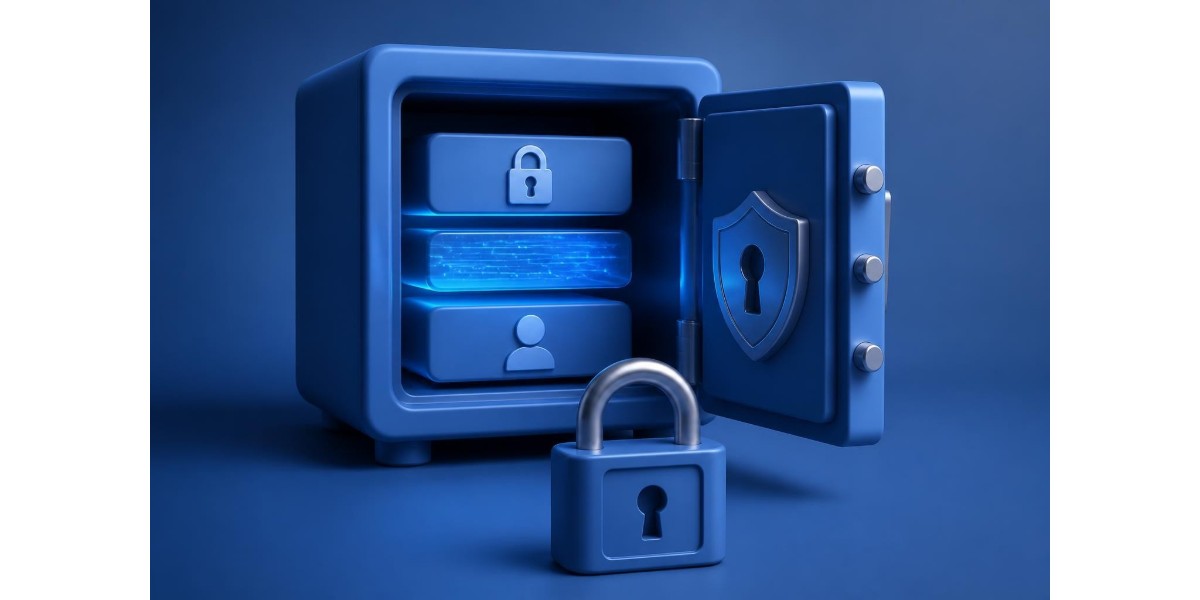
Password security has become a critical concern for professionals managing sensitive client data, compliance documentation, and business credentials. The lock it app represents a category of secure password management solutions designed to protect digital identities whilst maintaining accessibility across multiple platforms. For electricians and compliance professionals working with digital Certificates of Compliance and confidential client information, understanding robust password management tools is essential to maintaining both operational efficiency and regulatory compliance. This article examines how password management applications function, their security architecture, and practical considerations for professionals handling sensitive documentation.
Understanding the Lock It App Architecture
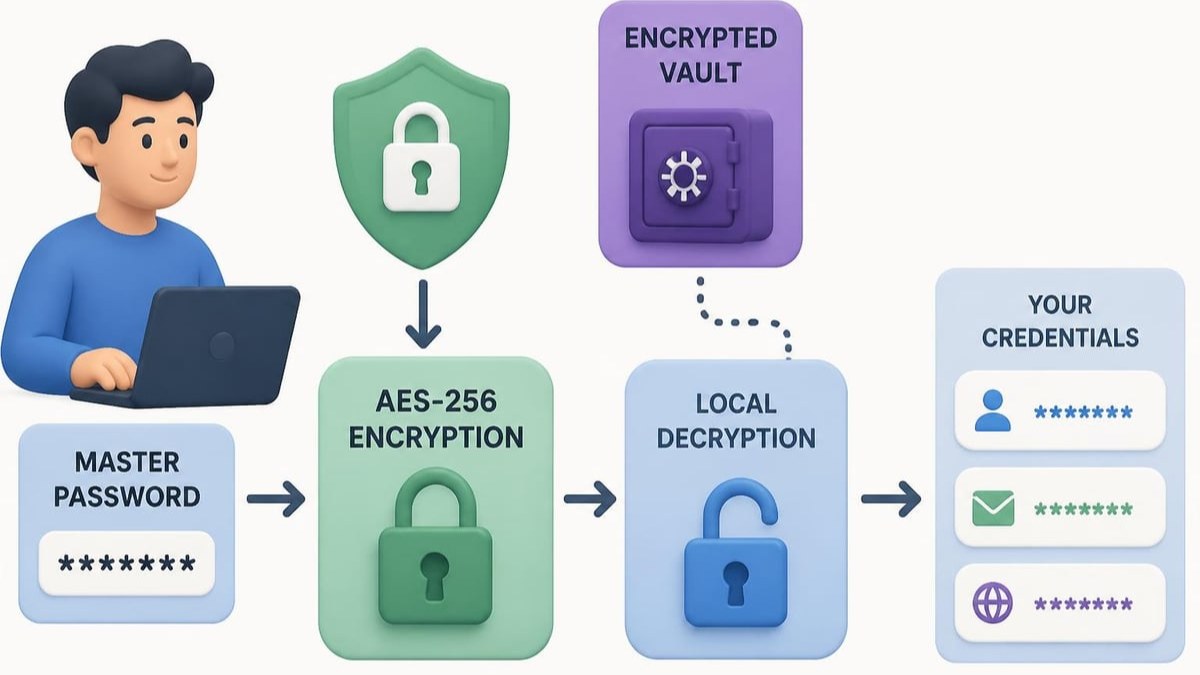
The lock it app operates on fundamental principles of cryptographic security that protect user credentials from unauthorised access. At its core, the application employs end-to-end encryption to ensure that passwords, documents, and sensitive information remain accessible only to authorised users. This security model relies on zero-knowledge architecture, meaning the service provider cannot access unencrypted vault contents even if compelled to do so.
Modern password managers like the lock it app utilise AES-256 encryption, considered military-grade protection by security experts. This encryption standard transforms readable data into cipher text that would take billions of years to crack using current computational power. The master password serves as the cryptographic key that unlocks this vault, making it the single most important security element in the entire system.
Key Security Features
Password management applications incorporate multiple layers of protection beyond basic encryption:
- Two-factor authentication (2FA) requiring a second verification method beyond the master password
- Biometric authentication using fingerprint or facial recognition for quick, secure access
- Passkey support leveraging modern authentication standards
- Auto-lock functionality that secures the vault after periods of inactivity
- Secure password generation creating complex, unique credentials automatically
The Lockit Solutions platform demonstrates these principles through its comprehensive security architecture, offering cloud backup whilst maintaining user privacy through encryption. Research published in 2026 on augmenting password-manager security highlights how additional authentication methods strengthen overall security posture.
Operational Benefits for Compliance Professionals
For electricians and compliance professionals managing digital documentation, the lock it app provides specific operational advantages beyond basic password storage. These professionals frequently access multiple systems: client portals, regulatory databases, cloud storage platforms, and industry-specific applications. Each requires unique, strong credentials to maintain security standards.
Streamlined Credential Management
Managing dozens of client accounts, regulatory portals, and business applications manually creates significant friction. The lock it app eliminates this burden through:
- Automatic form filling that populates login credentials across websites and applications
- Secure note storage for compliance documentation references and client-specific information
- Document attachments allowing storage of sensitive files within the encrypted vault
- Cross-platform synchronisation ensuring credentials are available on mobile devices, tablets, and computers
This synchronisation proves particularly valuable for field professionals who might start documentation on a mobile device at a client site, then complete it on a desktop computer back at the office. The encrypted cloud backup ensures work continuity regardless of device failure or loss.
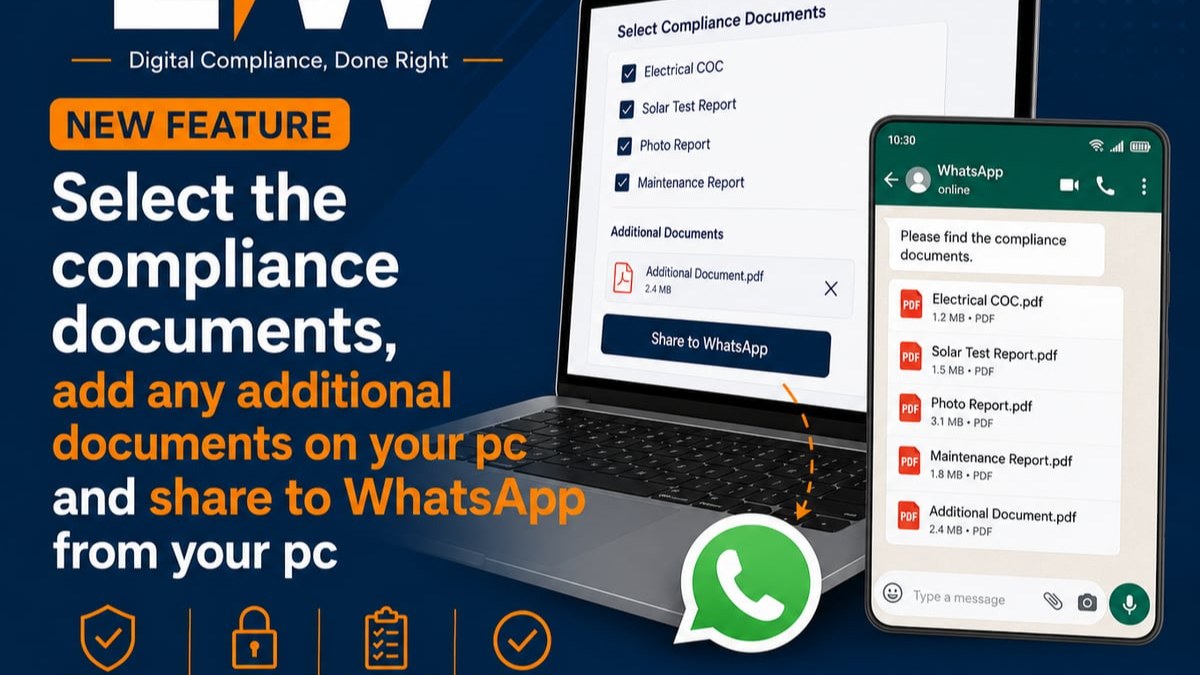
Professional workflows demand reliability. Energy Warehouse demonstrates how digital platforms can streamline compliance processes through effortless data capture and cloud storage, whilst the lock it app ensures the credentials protecting these platforms remain secure. The platform enables electricians to create, manage, and share digital Certificates of Compliance up to 60% faster than manual methods, and pairing it with robust password management ensures this efficiency doesn't compromise security.
Password Security Best Practices
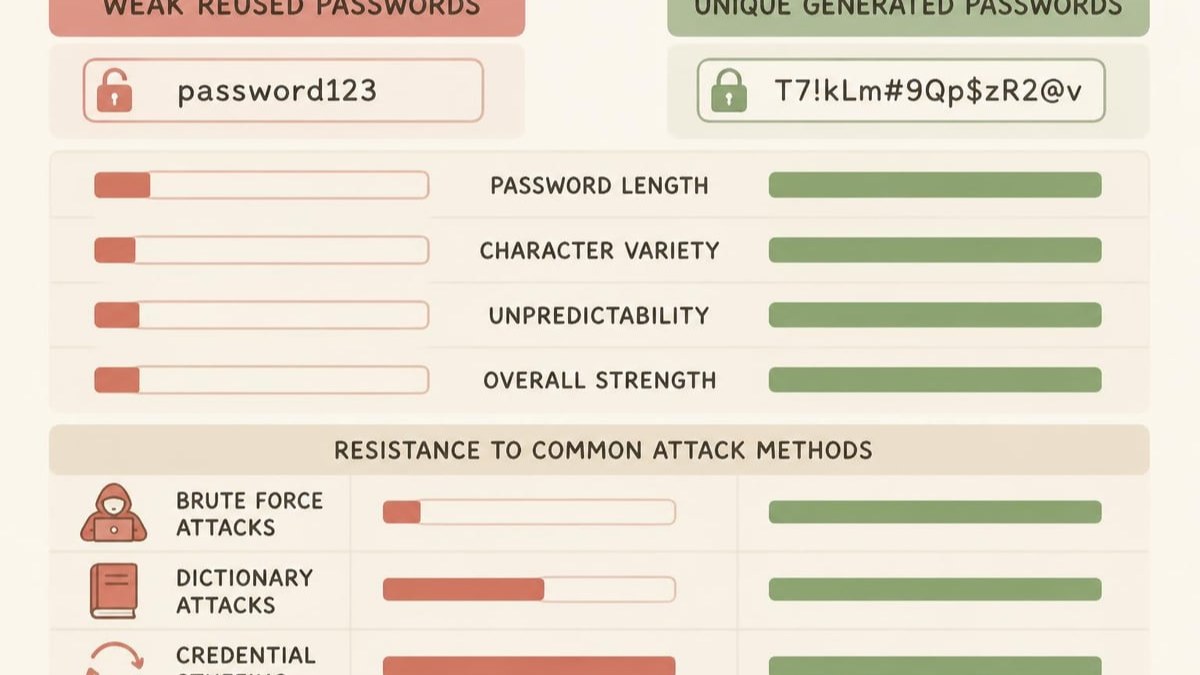
Recent research on unique passwords and memorability published in Computers & Security demonstrates that truly unique passwords aren't significantly harder to remember than reused or modified variations. This finding strengthens the case for using password managers to generate and store completely unique credentials for every service.
Creating a Robust Master Password
The master password represents the single point of failure in any password management system. Best practices include:
| Characteristic | Recommendation | Example Pattern |
|---|---|---|
| Length | Minimum 16 characters | 20+ characters ideal |
| Complexity | Mixed case, numbers, symbols | Avoid dictionary words |
| Uniqueness | Never used elsewhere | Create specifically for this purpose |
| Memorability | Use passphrase technique | Four random words plus numbers |
The passphrase method combines random words with numbers and symbols, creating strong passwords that remain memorable. For example, "Copper-Wire-Safety-2026!" provides length, complexity, and context relevant to electrical professionals whilst remaining easier to remember than random character strings.
Multi-Factor Authentication Implementation
The lock it app's effectiveness multiplies when combined with two-factor authentication. This additional layer ensures that even if a master password becomes compromised, unauthorised access remains blocked without the second factor.
Authentication methods include:
- Time-based one-time passwords (TOTP) generated by authenticator apps
- Hardware security keys providing physical authentication tokens
- Biometric verification through fingerprint or facial recognition
- SMS codes sent to registered mobile devices (least secure option)
For professionals handling compliance documentation, biometric signatures represent a natural extension of security thinking. The same principles protecting digital signatures can secure the credentials managing those signatures.
Cross-Platform Functionality and Workflow Integration
The lock it app must function seamlessly across the diverse technology environments professionals use daily. Electricians might access compliance platforms through Android tablets on-site, iOS devices for client communication, and Windows computers for documentation completion. Consistent functionality across these platforms determines practical usability.
Mobile Application Considerations
Research examining password managers in virtual reality environments highlights usability challenges in non-traditional settings. These findings emphasise the importance of intuitive design in mobile contexts where electricians wearing safety equipment might need quick credential access.
Mobile-specific features include:
- Offline access to stored credentials when working in areas without network coverage
- Auto-fill integration with mobile browsers and applications
- Biometric unlock for rapid authentication without typing
- Secure sharing capabilities for team credential distribution
The offline functionality mirrors requirements seen in compliance applications. Just as Energy Warehouse's offline mode enables electricians to continue working without network signal, the lock it app must provide credential access regardless of connectivity status.
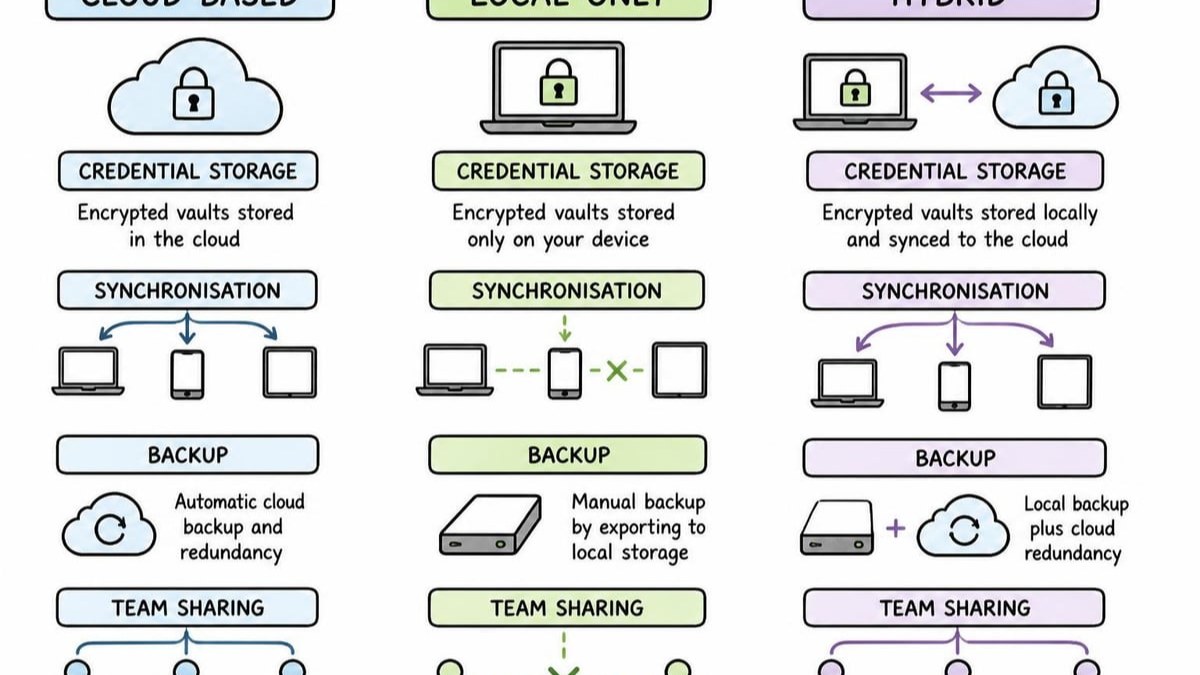
Comparing Password Management Approaches
Different password management philosophies suit different professional needs. Understanding these approaches helps select appropriate tools for specific workflows.
| Approach | Security Model | Best For | Limitations |
|---|---|---|---|
| Cloud-synced | Encrypted cloud storage | Multi-device users | Requires internet initially |
| Offline-only | Local storage only | Maximum privacy focus | No automatic backup |
| Browser-based | Browser built-in managers | Casual users | Limited cross-browser functionality |
| Enterprise | Centralised administration | Team environments | Higher complexity |
The LockYit app represents the offline-only philosophy, storing credentials exclusively on-device without cloud synchronisation. This approach maximises privacy but requires manual backup processes. Professionals must weigh these trade-offs against their workflow requirements.
For compliance professionals managing team workflows, cloud synchronisation proves essential. Multiple electricians working on the same project need access to shared client portals, regulatory databases, and documentation platforms. The lock it app facilitates this through secure credential sharing whilst maintaining encryption standards.
Team Collaboration and Credential Sharing
Professional electrical work frequently involves team collaboration, requiring secure credential distribution without compromising security. The lock it app addresses this through controlled sharing mechanisms that maintain encryption whilst enabling authorised access.
Secure Sharing Protocols
Modern password managers implement sharing through re-encryption rather than password transmission. When sharing credentials:
- The original user decrypts the credential using their master password
- The system re-encrypts the credential using the recipient's public key
- The recipient decrypts using their master password
- No unencrypted credentials traverse the network
This process ensures credentials remain protected throughout sharing operations. For electrical teams managing client access credentials, regulatory portal logins, and shared documentation platforms, this security model prevents password exposure whilst enabling collaboration.
Team collaboration features in compliance platforms complement password management security. When electricians share job documentation, images, and test results through secure platforms, the credentials protecting those platforms require equal protection. The lock it app provides this foundation layer of security.
Privacy Considerations and Data Handling
Understanding how the lock it app handles user data determines its suitability for professionals managing confidential client information. The privacy policy framework governing password managers outlines critical data handling practices.
Key privacy principles include:
- Zero-knowledge architecture ensuring providers cannot access unencrypted vault contents
- Local-only decryption where vault unlocking occurs solely on user devices
- Encrypted cloud storage protecting backed-up credentials even if servers are compromised
- Minimal metadata collection limiting information about stored credentials
For professionals bound by client confidentiality agreements and regulatory requirements, these privacy guarantees prove essential. Electricians handling commercial or industrial compliance documentation often sign non-disclosure agreements protecting client facility information, access credentials, and operational details.
Regulatory Compliance Alignment
The lock it app's security architecture aligns with data protection regulations governing professional services. Whilst password managers themselves aren't typically regulated, the data they protect often falls under regulatory frameworks:
- POPIA compliance for South African professionals protecting client information
- Industry-specific requirements for electrical contractors handling sensitive facility data
- Client contractual obligations regarding credential and access management
Professionals should verify that their password management approach supports rather than conflicts with regulatory compliance requirements. The encryption and zero-knowledge architecture of robust password managers typically exceed baseline regulatory standards.
Migration and Implementation Strategies
Transitioning to the lock it app from existing password management methods requires planning to avoid disruption to professional workflows. Electricians managing active projects and compliance deadlines cannot afford credential access interruptions during migration.
Implementation Phases
Phase 1: Preparation and Assessment
- Audit existing credentials across all professional platforms
- Identify critical access requirements for ongoing projects
- Document current password storage methods and vulnerabilities
Phase 2: Gradual Migration
- Begin with non-critical credentials to familiarise with the system
- Test auto-fill functionality across commonly used platforms
- Verify synchronisation across all devices used professionally
Phase 3: Critical Credential Transfer
- Migrate client portal access credentials
- Transfer regulatory and compliance platform logins
- Update shared team credentials through secure sharing
Phase 4: Legacy Method Retirement
- Archive previous password storage systems securely
- Update recovery information for all migrated accounts
- Implement master password backup procedures
This phased approach minimises disruption whilst building confidence in the new system. For professionals managing compliance deadlines, maintaining uninterrupted access to documentation platforms remains paramount throughout migration.
Advanced Features and Future Developments
The lock it app continues evolving as authentication technologies advance and security threats become more sophisticated. Understanding emerging capabilities helps professionals anticipate future workflow improvements.
Research on user willingness to adopt formally verified password managers suggests that transparency about security verification increases user trust. As password managers incorporate formal verification methods proving security properties mathematically, professional adoption may accelerate.
Emerging Authentication Technologies
Modern password managers increasingly incorporate passwordless authentication methods:
- WebAuthn integration enabling secure authentication without traditional passwords
- Passkey support using cryptographic keys stored securely on devices
- Biometric authentication standards moving beyond device-specific implementations
- Zero-trust architecture requiring continuous verification rather than one-time authentication
These developments align with broader digital security trends affecting professional workflows. Just as digital signatures replaced manual signatures for compliance documentation, advanced authentication methods may eventually replace traditional password-based security.
Security Incident Response and Recovery
Despite robust security measures, professionals must prepare for potential security incidents affecting password management systems. The lock it app's architecture determines recovery options when incidents occur.
Recovery Scenarios and Procedures
| Incident Type | Impact | Recovery Method | Prevention |
|---|---|---|---|
| Forgotten master password | Complete vault lockout | Recovery key or account reset | Secure master password backup |
| Device loss or theft | Potential unauthorised access | Remote vault lock, device wipe | Strong device encryption, biometrics |
| Credential compromise | Individual account breach | Password change, breach monitoring | Unique passwords per service |
| Service provider breach | Potential metadata exposure | Zero-knowledge prevents credential exposure | Choose providers with verified security |
The zero-knowledge architecture of the lock it app provides inherent protection against service provider breaches. Even if attackers compromise the password manager's servers, encrypted vaults remain protected without the master password. This architecture proves particularly valuable for professionals managing confidential client information.
Recovery key management requires careful attention. Best practices for securing password manager data emphasise storing recovery information separately from the password manager itself. Professionals might store recovery keys in secure physical locations, separate encrypted systems, or with trusted professional advisers.
Performance Optimisation and Resource Management
The lock it app must maintain performance standards that support rather than hinder professional workflows. Electricians completing multiple compliance certificates daily cannot tolerate slow credential retrieval or sync delays.
Performance considerations include:
- Search functionality enabling rapid credential location among hundreds of stored items
- Synchronisation speed ensuring recent credential changes appear across devices quickly
- Auto-fill responsiveness populating credentials without noticeable delays
- Offline operation providing full functionality during network outages
These performance requirements mirror those of professional compliance platforms. Just as Energy Warehouse enables electricians to work offline and sync automatically, the lock it app must support similar workflow patterns without forcing constant connectivity.
Resource Consumption Management
Mobile devices used on job sites face battery and storage constraints. The lock it app's resource footprint affects practical usability:
- Battery consumption during background synchronisation
- Storage space requirements for encrypted vault databases
- Memory usage during active credential access
- Network bandwidth for synchronisation operations
Optimised password managers balance security with resource efficiency, ensuring robust encryption doesn't drain device batteries or consume excessive storage. For professionals working full days on job sites, battery life remains a practical constraint affecting tool selection.
Integration with Professional Workflows
The lock it app's value multiplies when integrated thoughtfully into existing professional workflows rather than functioning as an isolated tool. Electricians managing compliance documentation, client communications, and regulatory submissions benefit from seamless credential management that supports these activities.
Workflow Integration Points
Professional electricians interact with numerous systems requiring authentication:
- Compliance platforms for creating and managing Certificates of Compliance
- Client portals for submitting documentation and communicating progress
- Regulatory databases for verifying compliance requirements and standards
- Cloud storage services for backing up documentation and client files
- Business management software for invoicing, scheduling, and project tracking
- Communication platforms for coordinating with clients and team members
Each authentication point represents potential friction that the lock it app eliminates through automatic credential management. The cumulative time savings across dozens of daily logins proves substantial, mirroring efficiency gains from streamlined compliance documentation processes.
For team environments, credential management integrates with collaboration workflows. When multiple electricians share access to client systems or regulatory portals, the lock it app facilitates secure distribution whilst maintaining audit trails showing who accessed which credentials when.
Cost-Benefit Analysis for Professional Use
Evaluating the lock it app requires assessing both direct costs and indirect benefits affecting professional productivity and security posture. Electricians must weigh subscription fees against time savings, risk reduction, and compliance improvements.
Direct and Indirect Benefits
| Benefit Category | Measurable Impact | Professional Value |
|---|---|---|
| Time savings | 5-10 minutes daily on login procedures | 20-40 hours annually available for billable work |
| Security improvement | Elimination of password reuse | Reduced breach risk and liability |
| Compliance support | Secure credential management documentation | Audit trail for access controls |
| Team efficiency | Streamlined credential sharing | Reduced coordination overhead |
The time savings alone often justify password manager costs for busy professionals. An electrician completing 3-5 compliance certificates daily encounters dozens of authentication requirements. Eliminating manual password entry and reset procedures recovers billable hours whilst reducing frustration.
Security improvements prove harder to quantify but potentially more valuable. A single credential breach affecting client data might result in liability claims, reputation damage, and regulatory scrutiny. The lock it app's prevention of password reuse and weak credentials substantially reduces this risk exposure.
Password security represents a foundational element of professional digital workflows, protecting the credentials that secure client data, compliance documentation, and business operations. The lock it app and similar password management solutions provide essential security architecture for modern electrical professionals managing increasingly complex digital requirements. By implementing robust credential management alongside secure compliance platforms, electricians can maintain both operational efficiency and security standards. Energy Warehouse offers the digital infrastructure electricians need to streamline SANS 10142-1 compliance whilst maintaining the highest security standards through features like biometric authentication, cloud backup, and team collaboration-contact us to discover how our platform can transform your compliance workflow.